
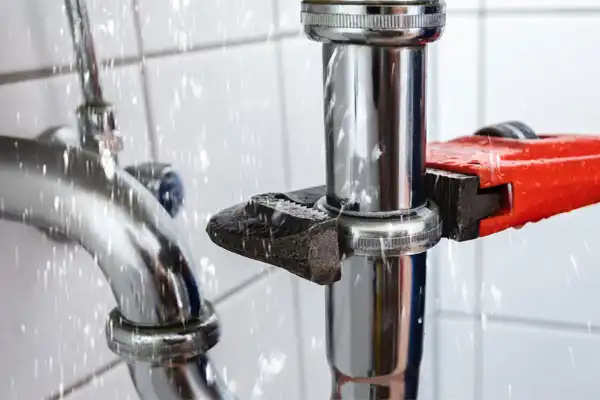
Plumbing issues rarely start with a sudden flood; they usually begin with the gradual wear and tear of aging pipes. For many homes across our Valley of the Sun, the material and age of your plumbing lines are the biggest predictors of future pipe failure. In many cases, damage is happening where you can’t see it. This makes it especially important for local homeowners to stay vigilant. Whether you own a historic property in Willo, a mid-century ranch in Scottsdale, or an established home in Mesa, recognizing the red flags of an aging plumbing system can help you prevent a costly plumbing disaster.
In this blog, we’ll examine why the transition into the dry season stresses your plumbing, the warning signs of aging pipes specific to Arizona, and the proactive steps you can take to protect your Phoenix-area home.
Why Shifting Desert Soil Stresses Phoenix Plumbing
In Central Arizona, our “seasons” look different, but they are no less stressful for your pipes. The primary culprit is expansive clay soil, which is prevalent throughout areas like Peoria, Gilbert, and Chandler. When we do get heavy monsoon rains or winter storms, this clay absorbs water and expands. During our long, scorching dry spells, the soil shrinks and cracks.
This constant “push and pull” is known as soil subsidence or heave. It puts a physical squeeze on your underground water and sewer lines. In the Phoenix metro area, this shifting ground can turn minor age-related wear into deep structural cracks overnight—often resulting in “slab leaks” (leaks under your concrete foundation).
Checking the current state of your entire plumbing system lets you handle repairs on your own schedule—before a small leak becomes a midnight emergency.
The Lifespan of Your Lines: Common Phoenix Materials That Cause Plumbing Issues
- Galvanized Steel: Found in many pre-1970s Phoenix homes. When these pipes are partially or fully buried in soil, they can corrode internally. Eventually, these pipes “close up,” resulting in low water pressure.
- Copper: Common in homes built after 1970. While durable, Arizona’s hard water and high soil pH cause “pitting corrosion” (pinhole leaks). This is a health risk as well as a structural one; the Environmental Protection Agency’s Lead and Copper Rule (updated in 2007 and 2021) is specifically aimed at reducing heavy metal leaching from aging pipes into your drinking water. For complete peace of mind, ask our trusted plumbers how a reverse osmosis water filtration system can ensure your water is clean and fresh.
- Quest Piping (Polybutylene): Used heavily in the 80s and 90s across the East and West Valley. It is notorious for being susceptible to chlorine (found in city-treated water). This leads to brittle pipes with plastic fittings that can snap without warning.
- Orangeburg/Clay Tile: Common in sewer lines from the 1940s through the early 70s, particularly in the Tempe and Phoenix areas. These pipes are made with bituminous material. They often flatten under the weight of wet soil or are easily pierced by the roots of Mesquite or Palo Verde trees.
Understanding Plumbing Issues: Aging Pipes and Their Hidden Deterioration
Unlike a water heater or kitchen appliance that clearly stops working, plumbing systems wear down slowly and out of sight. This hidden deterioration often goes unnoticed until environmental factors push your home to a breaking point, prompting an emergency call to a plumber.
In the Southwest, these factors are particularly aggressive:
- Arizona’s Hard Water: As a major culprit behind home plumbing problems, Phoenix water has some of the highest mineral content in the country.
- Mineral “Cholesterol”: Over decades, calcium and magnesium build up inside your pipes. This narrows the flow and is a common cause of low pressure at your showerhead or kitchen sink.
- Premature Aging: While newer PEX pipes offer some flexibility, mineral buildup and soil pH can cause materials like galvanized steel to become brittle and fail early.
- Environmental Stress: Corrosive soil and shifting ground combine to weaken lines that are already reaching the end of their useful life.
The Result: When pipes are weakened by these factors, they are significantly more likely to crack or rupture under pressure—leading to a backed-up drain, damaged sewer lines, or a flooded foundation.
8 Signs Your Aging Pipes Have Plumbing Issues
Aging plumbing doesn’t always mean imminent failure, but it often shows up in small, recurring ways. These symptoms are easy to dismiss as “quirks” of an older home in Tempe or Glendale, but they are actually early warning signs. Pay attention to these 8 red flags that could mean that your plumbing system needs urgent professional attention:
1. The “40-Year” Threshold
- The Sign: Your home was built before 1986 and still has original pipes.
- The Risk: Your system is on “borrowed time.” In the Phoenix heat, decades of mineral buildup and soil stress mean these materials are statistically more likely to fail.
2. Unexplained Utility Spikes
- The Sign: A creeping City of Phoenix or SRP water bill despite normal usage.
- The Risk: This is the #1 sign of a “silent leak.” Soil movement often creates hairline fractures in the slab that hide under your tile or laminate flooring. Ask our expert team about our Plumbing Leak Detection services.
3. Foundation “Hot Spots” or Damp Lawns
- The Sign: Warm areas on your floor or suspiciously lush, damp patches of grass in your xeriscaping.
- The Risk: These indicate that aging hot water lines have snapped under your home’s foundation, or that your main line is leaking into the yard.
4. Fluctuating Water Temperatures
- The Sign: Getting a “shower shock” of hot or cold water when someone else turns on a tap.
- The Risk: While often blamed on the water heater, this is frequently caused by internal corrosion in aging pipes that restricts flow, making it impossible for the system to maintain a steady temperature balance.
5. Discolored “Morning” Water
- The Sign: Water that is brown or yellow for the first few seconds after turning on the tap.
- The Risk: Common in older Apache Junction or Sun City homes, this means your galvanized pipes are rusting from the inside out.
6. Persistent Odors or “Water Hammer” Noises
- The Sign: Drains that smell like sewage or pipes that bang when the laundry runs.
- The Risk: Shifting soil may have cracked your vent lines or loosened the pipe supports. This is a common precursor to a total sewer collapse.
7. Slow Drains Despite No Clogs
- The Sign: Multiple sinks that struggle to drain simultaneously.
- The Risk: In areas like Paradise Valley or Cave Creek, older clay sewer pipes are prone to “root intrusion” as thirsty desert trees seek out the moisture inside your lines.
8. Lapsed Professional Maintenance
- The Sign: It has been over two years since your last inspection.
- The Risk: Mineral scale from Arizona’s hard water builds up faster here than in other states. You are “flying blind” against hidden corrosion.
Making a Plan: When to Repair vs. When to Upgrade
If you’re seeing repeated leaks, your system has reached its limit. Waiting even a few weeks in the Arizona heat can lead to mold growth—a nightmare for Phoenix homeowners.
- Target “Slab Leak” Zones: Because repairing a pipe under a concrete slab is expensive, we prioritize checking these lines first to prevent foundation damage.
- Coordinate with Remodels: If you are updating a bathroom in Scottsdale, that is the perfect time to replace the aging lines behind the wall.
- Get a “Health Check”: Instead of guessing, start with a professional plumbing camera inspection. We can show you exactly which lines are still in good shape, and which are ready to burst.
What Plumbing Issues Our Penguin Evaluation Looks At
At Penguin, our expert team treats your plumbing as a complete ecosystem. Our comprehensive evaluations use data to determine whether your home is a candidate for a simple repair or a full plumbing repiping. Ask our team about:
- Water Hardness Testing: We measure the mineral impact on your fixtures and pipes to see if “scaling” is choking your water flow.
- Pressure Testing: We ensure high city pressure isn’t causing “stress fatigue” on your older joints, a common precursor to a catastrophic pipe burst.
- Camera Technology: We perform a high-definition camera inspection to see inside your sewer lines in areas like Avondale, Buckeye, or Surprise. This allows us to find root intrusions or cracks before they cause a backup or require a full line replacement.
A Calm Way to Move Forward
If your plumbing has been showing signs of age, taking time to understand what’s happening behind the walls can help you avoid a flood. Our expert team can provide clarity—without the pressure of an emergency—to help you decide what makes sense for your Phoenix home.
Don’t wait until the next big storm or a pipe burst:
👉 Schedule a Camera Inspection today—spot the leaks and save the slab!
👉 Request a Plumbing Repiping Estimate—trade your aging pipes for peace of mind!
Penguin Air, Plumbing & Electrical: Your Trusted Partner for Phoenix Comfort