A clogged drain might start as a small nuisance, but it can quickly turn into something bigger—slow drains, foul odors, or even hidden pipe damage. Many homeowners don’t think about drain maintenance until a problem appears, and when it does, the first instinct is often to grab a bottle of heavy-duty cleaner. The problem? Many quick fixes cause more harm than good and rarely solve the real issue.
At Penguin Air, Plumbing & Electrical, we’ve seen what happens when short-term solutions turn into long-term headaches. While it’s always best to call a professional for deep cleaning or recurring clogs, there are safe ways to handle minor backups at home. Here’s what to avoid—and what actually helps.
What Not to Do When Cleaning Your Drains
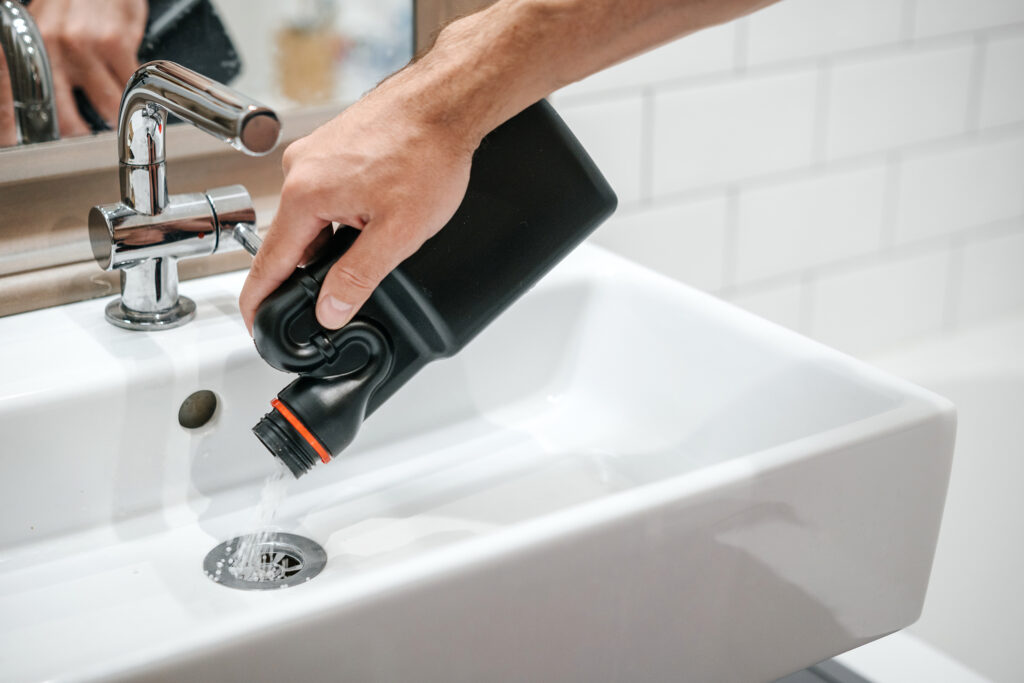
Chemical drain cleaners like Drano or Liquid-Plumr might seem like an easy fix, but the harsh ingredients inside can corrode your pipes over time. Even if the label says “safe for pipes,” repeated use can wear down metal, weaken seals, and shorten the lifespan of your plumbing system.
You might also have read about the old baking soda and vinegar trick. While it sounds scientific, the reality is less impressive. When combined, the two create a fizzing reaction that can clear very minor blockages. When followed with hot water, it can push through some debris, but it isn’t going to solve most problems. Neither ingredient acts as a detergent or degreaser, so the mixture doesn’t do much to clear grease or buildup. It’s harmless, but it won’t solve the problem.
The Right Way to Clear a Clogged Drain
There are a few simple, low-risk techniques that can help loosen small blockages until a plumber can take a closer look.
- Use a plunger. Great for sinks, tubs, or toilets, a plunger can push out shallow clogs and get water moving again.
- Try a drain snake. Also known as an auger, this tool is ideal for pulling out hair, soap scum, or other debris that’s stuck farther down.
- Flush with hot water. Fill the sink or tub with hot (not boiling) water, then release it all at once. The pressure and heat can help move light buildup.
- Add dish detergent. Mixing hot water with a little degreasing dish soap helps cut through residue from oils and fats. Pour it slowly into the drain, then rinse with more hot water.
- Use an enzyme drain cleaner. These natural, bacteria-based cleaners break down organic material inside pipes without the harsh chemicals that can cause corrosion. They’re a safe option for light buildup and regular maintenance.
These methods can bring temporary relief, but they shouldn’t be your go-to fix. If you find yourself repeating them often, it’s a sign there’s a deeper issue inside your plumbing system—one that needs professional attention.
When It’s Time to Call a Professional
Persistent clogs or slow drains usually mean there’s more than buildup at play. Tree roots, damaged pipes, or years of soap and grease can all cause recurring blockages that no amount of plunging will solve.
That’s where professional drain cleaning makes the difference. At Penguin Air, our plumbers use advanced tools—like hydro jetting and video inspection—to safely clear debris, restore flow, and spot potential issues before they become major repairs. You’ll get a long-term fix instead of a temporary patch.
So if your drains are moving slow or constantly clogging, skip the harsh chemicals and risky DIY methods. Call Penguin Air, Plumbing & Electrical for professional drain cleaning that protects your pipes and keeps your home running smoothly.