Natural gas lines are an essential part of many homes, supplying fuel to appliances to keep households running. However, homeowners often have concerns about whether gas lines are dangerous. The good news is that when gas lines are properly installed and maintained, they’re perfectly safe.
In this article, we’ll discuss how gas lines work, potential dangers, and what to do if you suspect a gas leak.
What Are Gas Lines & How Do They Work?
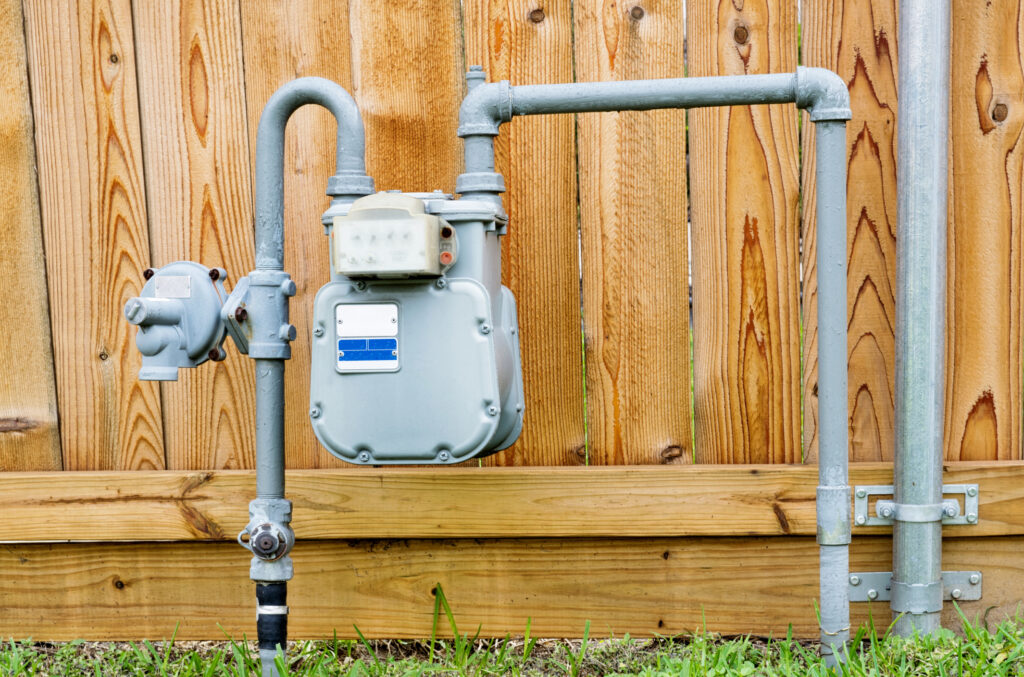
Gas lines are pipes that transport natural gas or propane from a central supply source, such as a utility company or propane tank, to various appliances in your home. These lines are made of durable materials like copper, steel, or flexible plastic, designed to handle the flow of gas under pressure.
The process starts with the gas entering your home via a main line. From there, smaller branches deliver gas to specific appliances. These lines are crucial for the function of several household items, including:
- Gas stoves and ovens
- Water heaters
- Furnaces and boilers
- Clothes dryers
- Outdoor grills
- Fireplaces
How Dangerous Are Gas Lines?
Generally, gas lines aren’t dangerous if they’re installed and serviced by a qualified professional. However, poorly installed gas lines can pose serious risks.
An inexperienced or unlicensed individual might not install them correctly, leading to potential hazards such as gas leaks or even explosions. That’s why it’s crucial to have a certified and licensed gas plumber handle any installation or repair.
In addition to poor installation, gas lines can begin leaking as they age. This often happens due to corrosion, punctures, or loose fittings, making it important for homeowners to recognize the signs of a leak.
Signs of a Gas Leak
A gas leak is a serious concern and should be addressed immediately. Here are some key signs that you may have a gas leak:
- Rotten egg smell: Utility companies add a sulfur-like odor to natural gas to make leaks more detectable. If you notice a strong smell resembling rotten eggs, it could be a gas leak.
- Hissing sound: If you hear a hissing or whistling noise near your gas line, this could indicate gas escaping through a crack or loose connection.
- Dead plants: If you notice vegetation dying in a particular area near a buried gas line, it could be a sign that gas is leaking into the soil.
- Physical symptoms: Exposure to a gas leak can cause symptoms like dizziness, headaches, or nausea. If you experience any of these while at home, leave the area immediately and seek fresh air.
- Higher gas bills: A sudden increase in your gas bill without an obvious explanation can sometimes point to a hidden gas leak.
What To Do if There’s a Gas Leak
If you suspect a gas leak, it’s important to act quickly and follow these steps to protect yourself and your home:
- Evacuate the area: Leave your home immediately. Avoid using anything that could create a spark, such as lights or electrical devices.
- Turn off the gas supply: If you can safely do so, turn off the gas supply at the main shut-off valve.
- Call for help: Once you’re at a safe distance, contact your gas company or emergency services to report the leak.
- Avoid reentering: Don’t go back into your home until the gas company or emergency responders confirm it’s safe to do so.
- Schedule a repair: After the leak is addressed, contact a qualified professional to repair or replace the faulty gas line.
Trust Penguin for Gas Line Plumbing Services in Phoenix, AZ
When it comes to gas line installation and repair, safety should always be the top priority. At Penguin Air, Plumbing & Electrical, our experts are ready to handle your gas line needs. Our experience and commitment to safety make us the trusted choice for gas line services in Phoenix, AZ.
For professional gas line plumbing services, contact Penguin online today.