The Pentagon’s recently announced FORTRESS America initiative has brought national attention to the importance of reliable infrastructure and independent power.
Introduced in September 2026, the initiative focuses on helping military installations maintain essential operations even when outside resources, including the commercial electrical grid, become unavailable.
Although FORTRESS America is a military initiative, it raises an important question for Phoenix-area homeowners:
If your home lost electricity for an extended period, which systems would you need to keep running?
For families in Phoenix, Chandler, Mesa, Gilbert, and surrounding communities, electricity supports much more than lighting. Air conditioning, refrigeration, communication devices, and other household systems all depend on reliable power.
Understanding these dependencies can help you develop a practical home preparedness plan.
What Is the Pentagon’s FORTRESS America Initiative?
Announced on September 30, 2026, FORTRESS America is a federal initiative focused on improving military infrastructure, energy independence, and operational resilience.
One of its main objectives is developing independent electricity generation so military installations can maintain essential operations when the commercial power grid is unavailable.
The initiative also addresses infrastructure protection and supply chain reliability.
FORTRESS America is not a residential preparedness program or a warning that widespread blackouts are imminent.
However, the principle of identifying essential systems and preparing alternatives is relevant to homeowners.
Why Power Outage Preparation Matters in Phoenix
Arizona homeowners experience conditions that can interrupt utility service throughout the year.
Summer monsoon storms can bring lightning, strong winds, and damage to electrical infrastructure.
Equipment failures and other unexpected disruptions can also result in outages.
In the Phoenix area, extreme heat makes some consequences of losing electricity especially important.
Air Conditioning and Indoor Temperatures
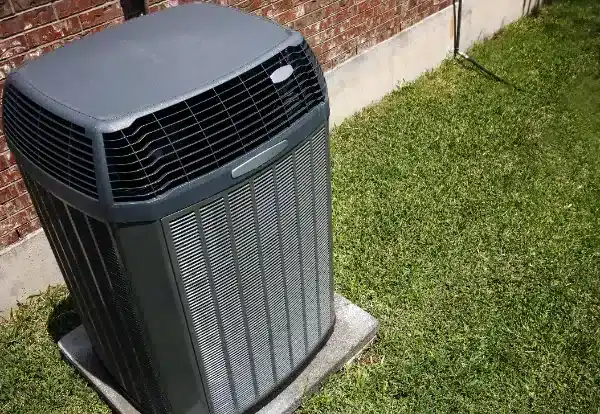
Central air conditioners and heat pumps require electricity.
When utility service becomes unavailable, these systems generally stop operating unless a compatible backup power source is available.
During extreme summer heat, indoor temperatures may rise quickly, depending on the home’s construction, insulation, and sun exposure.
Maintaining a safe indoor environment is especially important for households with older adults, young children, or people who are particularly sensitive to heat.
Refrigerators and Freezers
Refrigerators and freezers also stop actively cooling during an outage.
According to federal emergency preparedness guidance, an unopened refrigerator generally maintains safe food temperatures for approximately four hours.
A full, unopened freezer may maintain safe temperatures for approximately 48 hours.
Actual conditions vary, so homeowners should follow food safety recommendations when deciding what to keep after an extended outage.
Medical Equipment and Communication Devices
Some households rely on electrically powered medical equipment, refrigerated medications, or other essential devices.
Internet routers, charging stations, and certain home security systems may also stop working.
Homeowners with critical medical electricity needs should coordinate backup arrangements with their healthcare providers and equipment suppliers.
Which Home Systems Should Receive Backup Power First?
A common mistake when planning for an outage is assuming every appliance needs to remain operational.
In reality, many homeowners can start by identifying their most important electrical needs.
1. Cooling Equipment
During Phoenix summers, cooling may be one of the highest priorities.
However, central air conditioning equipment can require significant electrical power, particularly during compressor startup.
Not every portable generator or small backup battery can operate a central AC system.
A qualified electrician can evaluate the cooling system’s electrical requirements and help determine what backup options may be appropriate.
2. Refrigeration
Maintaining electricity to refrigerators and freezers may help reduce food loss during a prolonged outage.
The electrical demand of refrigeration equipment is generally lower than that of many central air conditioning systems, although actual requirements vary.
3. Essential Lighting and Communication
Selected lighting circuits, phone chargers, internet equipment, and other communication devices may be useful during a power interruption.
Smaller backup systems may be capable of supporting some of these needs.
4. Necessary Medical Equipment
Households with medical equipment that requires electricity should develop a specific emergency plan.
Backup batteries and generators may be part of that plan, but their operating limitations must be understood.
A generator should not be treated as the sole protection for life-sustaining equipment.
5. Other Essential Household Equipment
Depending on the property, homeowners may also need electricity for garage door openers, security equipment, water pumps, or specialized appliances.
Every household’s priorities are different.
What Backup Power Options Are Available?
Homeowners have several options for supplying temporary electricity.
Portable Generators
Portable generators can power selected equipment when used with appropriate connections.
They require manual setup, fuel management, and safe outdoor operation.
They should never be operated inside a home, garage, basement, or enclosed space.
Whole-Home Standby Generators
Permanently installed standby generators can automatically provide electricity during an outage through approved transfer equipment.
Depending on the generator’s size and the home’s electrical requirements, they may support selected circuits or a larger portion of the household.
A properly sized system may be capable of operating central air conditioning, although that capability should never be assumed without evaluating the actual electrical load.
Battery-Based Backup Systems
Battery systems can provide electricity for certain appliances or circuits.
Their runtime depends on storage capacity and connected electrical demand.
Smaller battery systems may be suitable for communication devices or selected equipment, while larger installations may support additional household loads.
Each approach has different costs, operating requirements, and limitations.
How to Prepare Your Phoenix Home Before an Outage
Evaluate Your Electrical Needs
Identify the equipment your household needs most.
An electrician can help determine the power requirements of essential appliances and whether your current electrical panel is suitable for a planned backup system.
Maintain Your Air Conditioning System
Routine maintenance helps keep air conditioning equipment operating as intended.
It does not allow the system to function without electricity, but it can help identify existing problems before severe weather arrives.
Prepare Emergency Supplies
Keep flashlights, drinking water, necessary medications, communication devices, and other basic supplies readily available.
Charge essential electronics when storms are expected.
Know Where to Go During Extreme Heat
Even homes with backup power need an alternative plan if the system fails or runs out of fuel.
Identify a safe, air-conditioned location that household members can reach if indoor temperatures become dangerous.
Follow local heat alerts and emergency guidance.
Review Generator Safety
Portable fuel-burning generators should operate outdoors, at least 20 feet from doors, windows, and vents, with exhaust directed away from the building.
Never connect a generator directly to a wall outlet.
Permanent generators require proper transfer equipment and professional installation to prevent dangerous backfeeding into electrical utility lines.
Does Every Phoenix Home Need a Whole-Home Generator?
Not necessarily.
Some households may be able to meet their essential electrical needs with smaller backup systems and a well-developed emergency plan.
Others may prefer a permanently installed standby generator capable of supporting cooling, refrigeration, and other important equipment.
The appropriate solution depends on your electrical requirements, available fuel, installation conditions, and budget.
An experienced electrician can explain the available options and help you avoid purchasing unnecessary capacity.
Prepare Your Home With Penguin Air, Plumbing & Electrical
The Pentagon’s FORTRESS America initiative reinforces the importance of understanding which systems depend on reliable infrastructure.
For Phoenix-area homeowners, preparing for a power outage starts with identifying essential household equipment and exploring practical ways to keep it operating.
Penguin Air, Plumbing & Electrical helps homeowners throughout Phoenix, Chandler, Mesa, Gilbert, Scottsdale, and surrounding communities with electrical, HVAC, plumbing, and generator services.
Whether you’re considering a standby generator, evaluating your home’s electrical panel, or preparing essential systems for seasonal storms, our team can help you understand the available options.
Contact Penguin Air, Plumbing & Electrical to discuss your home’s backup power needs and explore solutions that fit your household.