
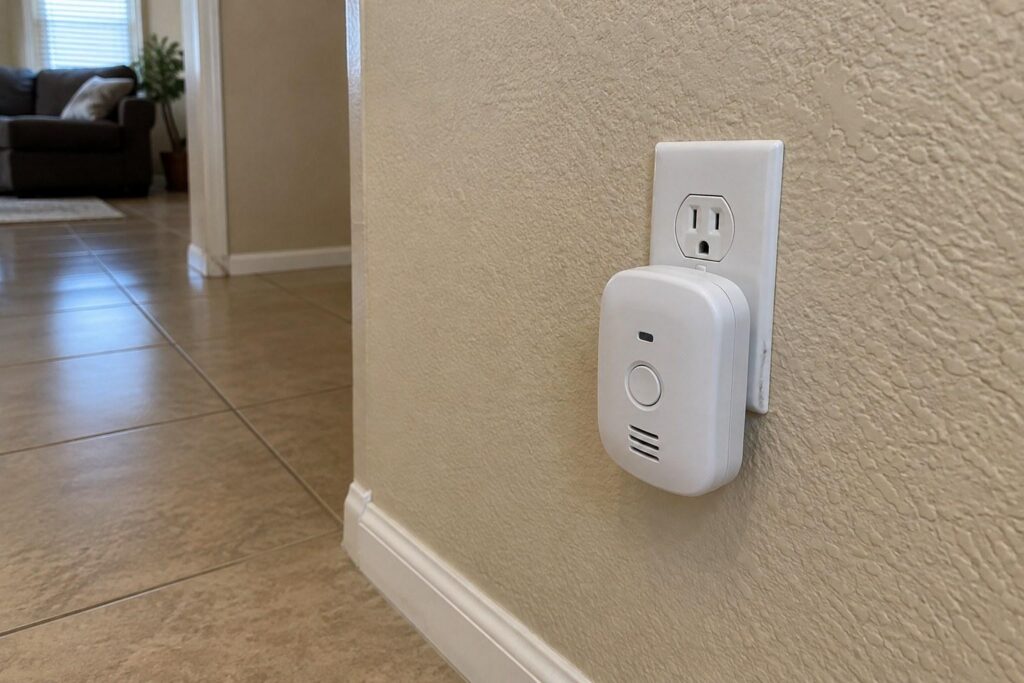
A carbon monoxide detector beeping in the middle of the night can mean two very different things. It might be a harmless low battery chirp, or it might be a warning that an invisible, odorless gas is building up inside your home. Knowing the difference takes seconds and can protect everyone under your roof. At Penguin Air, Plumbing & Electrical, our technicians work on gas furnaces, water heaters and home electrical systems across Greater Phoenix, and we get questions about CO alarms every heating season. Below we break down what each sound means, what to do right away, and how to keep your alarms working.
Want a professional to check your gas appliances or install new alarms? Our team is ready to help.
Key Takeaways
- A repeating pattern of four loud beeps and a pause on many alarms signals that carbon monoxide has been detected, so get everyone outside and call 911.
- A single short chirp about once a minute usually means the battery is low and needs to be replaced.
- Repeated chirps that continue after a battery change often signal end of life, which means the whole alarm must be replaced.
- Gas furnaces, gas water heaters, fireplaces and cars in attached garages are common carbon monoxide sources in Valley homes.
- The U.S. Consumer Product Safety Commission (CPSC) recommends CO alarms on every level of the home and outside sleeping areas, tested monthly.
Carbon monoxide (CO) is produced whenever fuel burns incompletely. You cannot see it, smell it or taste it, which is exactly why a working alarm matters so much. Early symptoms such as headache, dizziness, nausea and fatigue are easy to mistake for the flu, and people who are asleep may not notice symptoms at all.
Phoenix winters are mild compared to most of the country, but cold desert nights still send furnaces and fireplaces into action from late fall into early spring. Many Valley homes also run gas water heaters year round on Southwest Gas service. That means CO risk is not limited to snowy states, and your alarms deserve the same attention here.
What Your Carbon Monoxide Detector Beeping Pattern Means
Not every beep is an emergency, but you should never assume a sound is harmless until you know what it is. Most alarms use distinct patterns for an actual CO detection, a low battery and the end of the unit’s life. The exact patterns vary by brand and model, so your owner’s manual or the label on the back of the alarm is the final word.
The Emergency Alarm Pattern
On many popular alarms, including First Alert models, an actual CO detection sounds as four loud beeps followed by a pause, repeating over and over. Kidde and other brands use a similar loud, repeating pattern. This sound is continuous and much louder than a chirp. Many units also flash a red light, and digital models may show a CO reading on the display. Treat this pattern as a real emergency every time.
The Low Battery Chirp
A single short chirp roughly once every minute is the most common low battery warning. It is annoying, especially when it starts at 3 a.m., but it is not an alarm. Replace the battery with the type listed on the unit, then press the test button to confirm the alarm works. Hardwired alarms have backup batteries too, and those batteries can trigger the same chirp.
The End of Life Signal
CO sensors wear out over time. According to First Alert, many of its CO alarms sound five chirps every minute when they reach end of life. Many Kidde CO alarms begin chirping every 30 seconds at the end of their rated life, which is seven or ten years after first power up depending on the model. Some digital models display “End” or an error code, so check your manual. When you hear an end of life signal, a new battery will not fix it, because the sensor can no longer reliably detect CO. Replace the alarm.
Malfunction or Error Signals
Some alarms use a separate chirp pattern or a flashing light to report an internal fault. If resetting the unit and replacing the battery do not clear the signal, the alarm should be replaced. A faulty alarm offers no protection, so do not leave it on the wall and hope for the best.
| What You Hear | What It Usually Means | What to Do |
|---|---|---|
| Four loud beeps, pause, repeating | Carbon monoxide detected | Get everyone outside to fresh air and call 911 |
| One short chirp about every minute | Low battery | Replace the battery and test the alarm |
| Five chirps every minute (many First Alert models) | End of life | Replace the entire alarm |
| Chirp every 30 seconds at end of life (7 or 10 years on many Kidde models) | End of life | Replace the entire alarm |
| Chirp that continues after a new battery | End of life or malfunction | Check the manual, then replace the alarm |
Combination smoke and CO alarms use different patterns for smoke and for carbon monoxide. If you are unsure whether a chirp is coming from a smoke alarm, our post on why your smoke detector is beeping covers smoke alarm sounds in detail.
What to Do When the CO Alarm Goes Off
When the full alarm pattern sounds, act first and investigate later. The steps below follow guidance from the National Fire Protection Association (NFPA) and the CPSC.
Get Everyone Outside Right Away
Move every person and pet to fresh air outdoors immediately. Call 911 from outside and stay out until emergency responders say it is safe to return. Make sure everyone in the home is accounted for. Do not stop to search for the source. Every minute spent inside means more exposure.
Call 911 from Fresh Air
Once you are outside, call 911 or your fire department. Emergency crews carry meters that can measure CO levels and find the source. Stay outside until they tell you it is safe to go back in, even if the alarm stops sounding. An alarm that goes quiet does not mean the air is clear.
Watch for Symptoms
Headache, dizziness, weakness, nausea, confusion and shortness of breath can all point to CO exposure. Tell emergency responders if anyone feels sick, and seek medical care. Infants, older adults, pregnant women and people with heart or lung conditions can be more vulnerable.
If You Also Smell Gas
Natural gas has an added odor that smells like rotten eggs, but carbon monoxide has no smell at all. If you smell gas, leave the home without flipping light switches, using appliances or lighting anything. Call Southwest Gas’s emergency line or 911 from a safe distance. Our post on signs you have a gas leak explains the warning signs.
Before You Turn Appliances Back On
After responders clear the home, do not restart the furnace, water heater or fireplace until the source has been found and fixed. If a fuel burning appliance is suspected, have a qualified technician inspect it before using it again. Never attempt to adjust gas valves, burners or thermocouples yourself.
Need a gas appliance inspected after a CO scare? Reach out and our team will help you plan next steps.
Common Carbon Monoxide Sources in Phoenix Homes
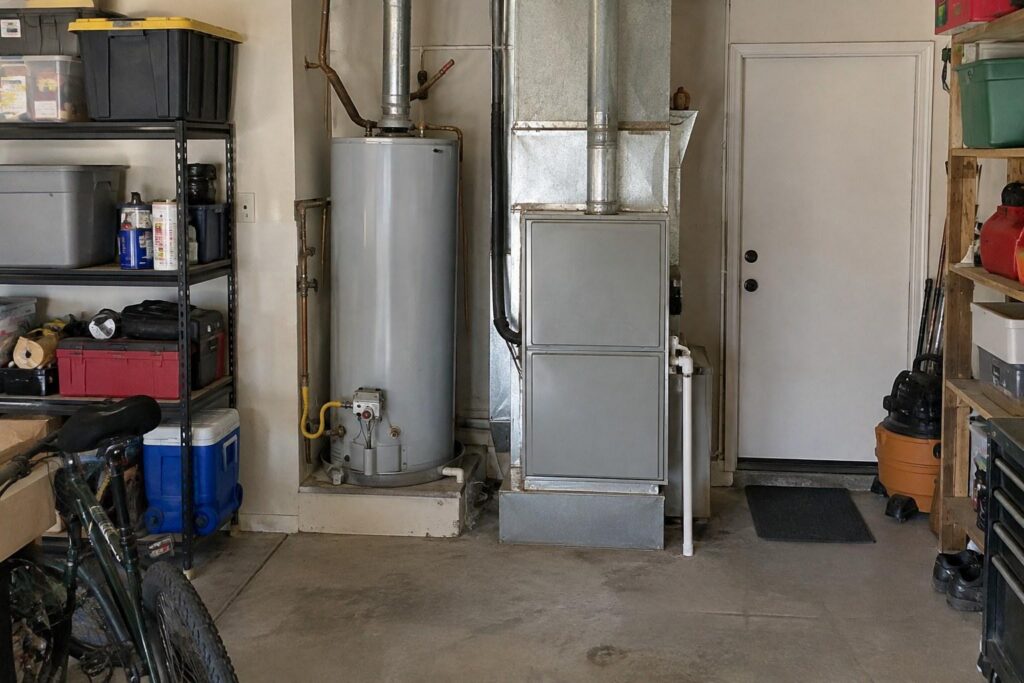
Any appliance or engine that burns fuel can produce CO. In the Valley, a handful of sources cause most of the concern, and several of them get heavier use exactly when windows are closed on cool nights.
Gas Furnaces
A gas furnace that sits idle for most of the year can develop problems that only show up when it starts again in the fall. A cracked heat exchanger, a blocked flue or poor combustion can let CO escape into your living space. Monsoon dust and debris can also collect around vents and intakes over the summer. Scheduling furnace maintenance before the first cold snap lets a technician check the heat exchanger, venting and burners. If your furnace is acting up, our furnace repair team can diagnose it.
Gas Water Heaters
Gas water heaters run year round, and their exhaust must travel up a vent pipe and out of the home. A disconnected, corroded or poorly sloped vent can send exhaust back into a garage or utility closet. Hard water sediment does not create CO directly, but a neglected tank with poor combustion is worth a closer look. Our water heater repair technicians can check venting and burner operation.
Attached Garages
Many Phoenix homes have garages attached to the house, often with a door leading into the kitchen or laundry room. Running a car, generator or gas powered tool inside a garage, even with the big door open, can push CO into the home. NFPA advises moving a vehicle out of the garage right after starting it.
Fireplaces and Gas Logs
Wood burning and vented gas fireplaces need a clear, open flue. A closed damper, a blocked chimney or a gas log set that is not burning properly can all release CO indoors. Have fireplaces and chimneys inspected before the season starts, especially if they have not been used in a while.
Other Sources
Gas ranges, gas dryers, portable generators, charcoal grills and fuel burning space heaters can also produce CO. Never use a grill or generator indoors or in a garage. If you use heaters on cold nights, our tips on using space heaters safely in Phoenix homes are a helpful read.
Where to Place CO Alarms in Your Home
An alarm only helps if it can sense CO and wake you up. Placement guidance from the CPSC and NFPA is straightforward, and following it covers most single story and two story Valley homes.
Every Level and Outside Sleeping Areas
The CPSC recommends installing CO alarms on each level of the home and outside sleeping areas. NFPA adds that alarms should go in a central location outside each sleeping area, plus any other locations required by local codes. In a single story ranch home with bedrooms on opposite sides, that usually means more than one alarm.
Spots to Avoid
The CPSC does not recommend installing CO alarms in kitchens or directly above fuel burning appliances. Avoid placing them near heating vents or where furniture or drapes could block them. Always follow the manufacturer’s instructions for mounting height, since some alarms are made to plug into an outlet and others mount high on a wall.
Interconnected Alarms Are Best
Both the CPSC and NFPA say interconnected alarms offer the best protection, because when one sounds, they all sound. Hardwired or plug in alarms should have battery backup so they keep working during a power outage, which can happen during monsoon storms on APS or SRP lines. Our smoke and CO detector installation service can set up hardwired, interconnected alarms throughout your home.
Choose a Listed Alarm
NFPA recommends choosing a CO alarm that carries the label of a recognized testing laboratory. Combination smoke and CO alarms are widely available and can reduce the number of devices on your ceiling, as long as the placement works for both functions.
Testing and Maintaining Your CO Alarms
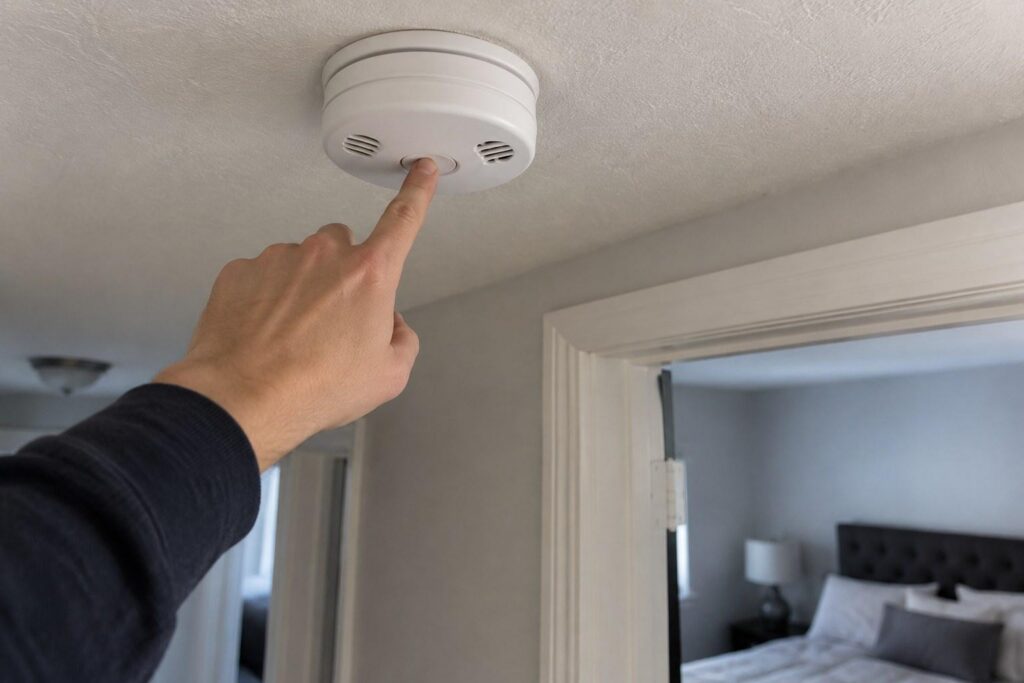
A CO alarm is a simple device, but it needs a little attention to stay reliable. A few minutes each month can prevent both nuisance chirps and missed warnings.
Test Monthly
The CPSC recommends testing smoke and CO alarms monthly, and NFPA says at least once a month. Press and hold the test button until the alarm sounds. If it stays silent or sounds weak, replace the battery and test again. If it still fails, replace the alarm.
Replace Batteries on a Schedule
The CPSC recommends replacing batteries in smoke and CO alarms annually, unless your alarm has a sealed long life battery. Picking a memorable date, such as the start of heating season, makes it easier to remember. Changing batteries on a schedule also cuts down on late night low battery chirps.
Know the Replacement Date
Check the manufacture date or “replace by” date printed on the back of each alarm. Replace the unit according to the manufacturer’s instructions, and sooner if it gives an end of life signal.
Keep Alarms Clean
Dust is a fact of life in the desert, especially after monsoon season. Gently vacuum the vents on your alarms with a soft brush attachment a few times a year.
Handle False Alarms Carefully
It is tempting to blame a sounding alarm on a glitch, but there is no safe way to tell the difference from inside the house. Treat every full alarm pattern as real, get outside, and let responders confirm. If an alarm repeatedly sounds with no source found, have both the alarm and your fuel burning appliances checked.
How Penguin Air, Plumbing & Electrical Helps Protect Your Home from Carbon Monoxide
Alarms are your last line of defense. The first line is making sure your gas appliances burn cleanly and vent properly. Our heating, plumbing and electrical teams work together, so a single visit can often cover both the alarms and the appliances behind them.
Heating and Water Heater Inspections
During a heating tune up, our technicians inspect burners, venting and the heat exchanger for problems that could lead to CO. We also check gas water heater venting and combustion. A Penguin Plan maintenance membership helps you stay on top of these visits year after year.
Alarm Installation and Upgrades
Our electricians can install hardwired, interconnected smoke and CO alarms with battery backup, replace aging units, and make sure placement matches CPSC and NFPA guidance. We offer upfront, flat-rate pricing, so the price depends on the number of alarms and your home’s wiring, and you know the cost before work begins.
Help When You Need It
We are locally owned and operated, serving Greater Phoenix since 2011, with a 24/7 emergency service line and a “Job Done Right” guarantee. Flexible financing options are available. If your alarm reached end of life or you want a second look at your furnace, we are glad to help.
Ready to make sure your alarms and gas appliances are working the way they should? Book a visit with our team.
Frequently Asked Questions
Why is my carbon monoxide detector chirping once a minute?
A single chirp about once a minute usually means the battery is low. Replace it with the battery type listed on the alarm, then press the test button. If the chirping continues with a fresh battery, the alarm may be signaling end of life or a malfunction. Check the owner’s manual for your specific model, and replace the unit if the signal does not clear.
How can I tell if my CO alarm is detecting carbon monoxide?
An actual detection is loud and continuous. On many models it sounds as four beeps and a pause, repeating, often with a flashing red light or a CO reading on the display. A chirp is short and spaced out. If you hear the loud repeating pattern, get everyone outside to fresh air and call 911 before trying to figure out the cause.
Can I turn off my CO alarm if I think it is a false alarm?
Silencing the alarm does not remove carbon monoxide from the air, and you cannot detect CO with your senses. The safest choice is to leave the home and call 911 so responders can measure CO levels. If no source is found and the alarm keeps sounding, have the alarm replaced and your fuel burning appliances inspected by a qualified technician.
How long do carbon monoxide detectors last?
CO sensors wear out, so every alarm has a limited life. Kidde, for example, says many of its CO alarms begin an end of life chirp seven to ten years after first power up, depending on the model, and lifespans vary by brand and model. Check the date printed on the back of your alarm and replace it according to the manufacturer’s instructions or when it gives an end of life signal.
Do I need a CO alarm if my home is all electric?
An all electric home has fewer CO sources, but risk is not zero. An attached garage where cars or generators run, a fireplace, a charcoal grill used too close to the house, or a portable generator during an outage can all introduce CO. If any of these apply to your home, installing CO alarms outside sleeping areas is a sensible precaution.
Where should I not put a carbon monoxide alarm?
The CPSC does not recommend placing CO alarms in kitchens or directly above fuel burning appliances. Keep them away from heating vents and spots where furniture or curtains could block them. Avoid unfinished attics, but do install at least one alarm on every level of the home, including basements. Follow the manufacturer’s directions for mounting height, since plug in and wall mounted models differ.
Keep Your Phoenix Home Safe From Carbon Monoxide
A carbon monoxide detector beeping is always worth a closer listen. A slow chirp usually means a battery or replacement is due, while a loud repeating pattern means it is time to get outside and call 911. Keeping alarms tested and gas appliances maintained goes a long way toward peace of mind on cool desert nights. If you want help with alarm installation or a heating inspection, contact Penguin Air, Plumbing & Electrical. We serve homeowners in Phoenix, Mesa, Chandler, Gilbert, Scottsdale, Glendale and across the Valley.
Ready to Get Started with Penguin Air, Plumbing & Electrical?
From furnace and water heater checkups to new interconnected CO alarms, our heating, plumbing and electrical teams are ready to help keep your household safe. Reach out to schedule a visit. Penguin Air, Plumbing & Electrical is located at 3710 E University Dr #1, Phoenix, AZ 85034. Call us at (480) 525-5400.