
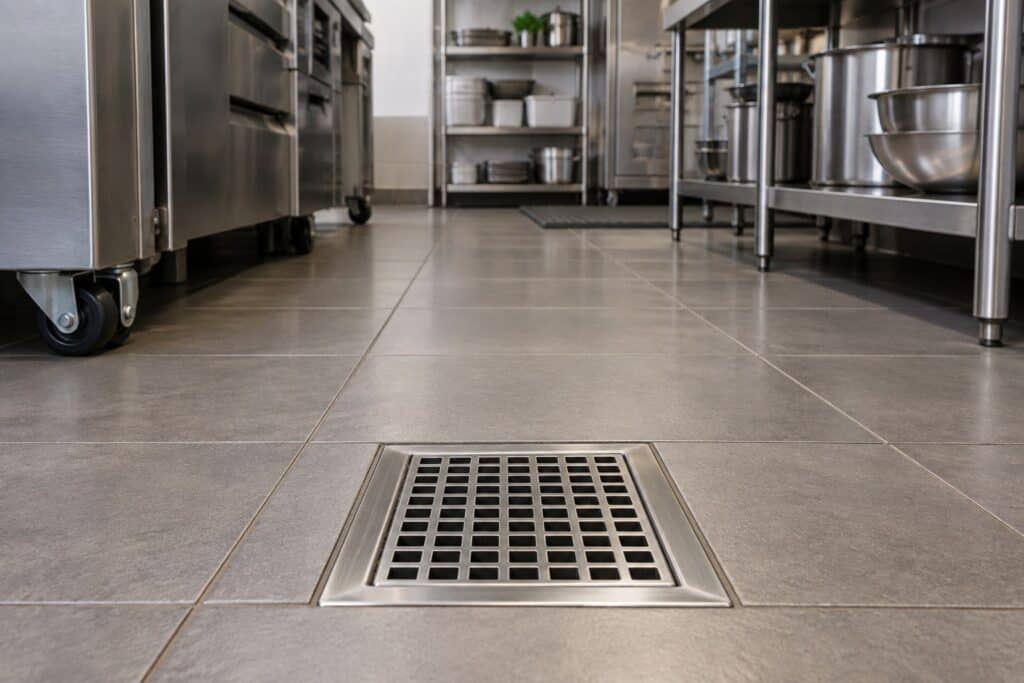
October can be a practical point for Phoenix facility teams to review recurring drain concerns before year-end schedules change. The goal is not to diagnose a drain from a checklist. It is to gather useful details, protect access to affected areas and ask a qualified provider whether commercial drain service is appropriate. A clear record helps the service conversation start with the actual location and history rather than guesswork.
Key Takeaways
- Record where a drain concern occurs, when it appears and whether other fixtures or areas are affected.
- Keep previous service notes and tell the provider about any products or steps already tried.
- Separate routine observations from active backups or unsafe conditions, which should follow facility escalation procedures.
- Coordinate access, occupant communication and service timing before the visit.
- Ask the provider to confirm the scope in writing and explain any additional work before approval.
Start with the Location, Not a Diagnosis
When staff report a drain concern, capture the exact location and what they observed. Include the floor, room, fixture or floor drain, and a nearby landmark that will help a technician find it. If the property has multiple suites or buildings, include the full address and unit. Use the same labels that appear on the facility’s plans or work orders whenever possible.
Write down the date and time, whether the condition was still present when reported and whether it has happened before. If the problem appears only during a particular activity or time of day, record that too. Avoid explaining why the drain is slow or what may be blocking it unless a qualified person has assessed it. A factual description gives the service provider a better starting point.
Ask staff to note whether other fixtures or nearby areas are involved. One report from a single fixture and several reports from different parts of a building are different patterns for the provider to assess. Do not infer that the whole system is affected, but do make sure the service request mentions every reported location.
Distinguish Routine Observations from Urgent Conditions
Not every drain report should be handled on the same schedule. A recurring slow drain that is not disrupting the space may be appropriate to discuss when arranging service. An active wastewater backup, spreading water or a condition that creates a safety concern should be escalated under the facility’s procedures. Keep people away from affected areas as appropriate and contact a qualified plumbing provider for guidance.
Set a simple reporting path for employees. They should know who receives routine maintenance notes and whom to contact if water is actively backing up or an area becomes unsafe. Avoid asking staff to open a drain, reach into a cleanout, use unfamiliar equipment or enter a restricted utility room. Follow the company’s safety procedures and leave assessment and service to qualified personnel.
If the affected area serves customers, tenants or food operations, tell the designated facility manager promptly. The facility team can decide what internal notices or access restrictions are needed while awaiting professional guidance. This article cannot establish whether a particular drain is safe to use or what response a specific building requires.
Build a Useful Service History
Before booking, gather previous work orders, invoices or provider recommendations related to the same drain or nearby plumbing. Record when service took place and what was reported afterward. If the same symptom returned, note approximately when it reappeared and whether anything changed in how the area was used.
Tell the provider if anyone has already tried a product or procedure. Do not add a chemical cleaner or use a tool just to prepare for the appointment, especially when the building’s piping and earlier treatments are unknown. Disclose anything already used so the service team can account for it when advising what happens next.
Keep confirmed information separate from assumptions. For example, write “water drained slowly from the prep sink on three shifts this week” instead of “the main line is blocked” unless a qualified professional has made that finding. If a previous report used technical language, include the original service note rather than paraphrasing it from memory.
For multi-site operators, keep a separate service record for each address. Include the person who submitted the report, the affected area, the provider’s visit date and any follow-up that remains open. A consistent log helps facility leaders determine which items need scheduling without turning a few similar symptoms into an unsupported building-wide conclusion.
Compare Reports by Location and Date
When reviewing a series of work orders, arrange them by the room or drain location first, then by date. This helps the facility team see whether the reports concern one spot or several areas without asserting a shared cause. Keep the original notes attached so a later reviewer can distinguish staff observations, provider findings and work that was actually completed.
If reports cluster around a particular operating period or use of a space, record that context for the provider. Do not assume that timing explains the condition. The details simply give the technician another point to consider during the assessment and help the facility describe what it has noticed accurately.
Prepare a Site Brief Before Requesting Service
A concise service request should tell the provider what to locate and what constraints to plan around. Include:
- Business or facility name, service address and unit or suite if applicable.
- The affected drain or fixture and its precise location.
- What staff observed, when it occurred and how often it has happened.
- Whether other drains or areas have been reported as affected.
- Relevant prior work orders, service notes or actions already taken.
- Access instructions, site contact details and operating hours.
Photos can help identify a location or show a visible condition, but they cannot establish the condition of concealed piping. Take a photo only if it can be done safely and without entering a restricted or wet area. Do not remove a drain cover or equipment panel to get a better picture.
Choose one facility contact who can meet the technician and answer questions about the building. If the property has check-in requirements, restricted access, parking instructions or a preferred service entrance, share them in advance. Let the provider know if tenant notices or internal approvals are needed before access is granted.
Coordinate Service with Operations

Consider who uses the affected area and when a service visit would be least disruptive. A floor drain in a working kitchen, a public restroom and a rarely used utility room may call for different access arrangements. The provider can discuss the visit and likely access needs, but the facility should not promise a particular outage window before the scope is confirmed.
For a multi-tenant property, identify who is responsible for notifying occupants and who can authorize access. Keep that responsibility clear rather than relying on informal hallway updates. If the service request involves more than one suite, assemble the location details in advance so the provider can confirm whether the visit should address all of them.
Ask what should be moved or made accessible. Clear items only when safe and practical, and do not move equipment that staff are not authorized to handle. If a drain is behind a counter, machine or locked door, tell the provider before arrival. Advance notice may help the team determine whether additional coordination is required.
Plan Notices for Shared or Customer-Facing Spaces
If the affected area is used by tenants, employees or customers, choose who will communicate about temporary access arrangements. Confirm the notice process with the appropriate facility contact rather than asking the plumber to manage internal announcements. A clear point of contact can share confirmed schedule details and relay any updates from the service team.
Avoid posting a specific interruption window until the provider has reviewed the scope and discussed likely access needs. If the timing must remain flexible, explain that to staff and occupants. Tell the provider whether the facility needs an update before any change that would affect a public space, tenant suite or work area.
When the building has a safety or incident-response procedure for water or wastewater, follow that procedure while the service is being arranged. A blog checklist cannot determine whether a room can remain open. The facility’s responsible contact and the qualified provider should guide the decision for the actual conditions.
Ask What the Requested Service Covers
The phrase “drain service” can refer to different needs, so describe the symptom and ask the provider to confirm the scope. Penguin Air, Plumbing & Electrical lists commercial drain services on its website. Its commercial drain services page is a starting point for confirming whether a facility’s request fits the listed service.
Before approving work, ask which drain or area is included, what access the technician needs and how the findings will be explained. If a recommendation involves a different plumbing service, ask why it is separate from the original request and what options should be considered. Request a written scope when additional work is proposed, and make sure the right facility representative approves any change.
If staff describe concerns outside the drain itself, mention them when scheduling rather than assuming they are included. Penguin Air, Plumbing & Electrical also lists commercial plumbing on its commercial plumbing page. The provider can help determine which service category is appropriate after reviewing the reported issue.
Agree on a Communication and Approval Path
Before the visit, decide who will answer questions about the building and who can approve work beyond the original request. If those responsibilities belong to different people, share the contact details with the provider. That makes it less likely that a recommendation will be mistaken for authorization.
Ask how the provider will describe findings and whether the facility should expect a written summary or proposal. If additional work is recommended, request the location, observed condition and proposed next step in writing. Give the responsible manager time to review the new scope instead of asking the technician to proceed based on an informal handoff.
For a multi-site organization, keep approval records with the address and work order. A decision at one location does not automatically authorize the same work at another property. Confirm each site’s scope and access arrangements separately.
Document What Happened After the Visit
Save the service summary, invoice and recommendations with the facility’s maintenance record. Note which areas were visited, what work was completed and whether the provider identified follow-up. Keep the provider’s findings distinct from staff observations made before the appointment.
If the provider recommends additional work, document whether it is proposed, approved, scheduled or completed. Assign an owner to any follow-up, such as arranging access, obtaining internal approval or monitoring a location. Avoid leaving a verbal recommendation in an untracked email thread where later facility contacts may miss it.
If a similar issue is reported again, link the new entry to the prior service record and include the new date, location and observation. Do not assume the cause is unchanged. The updated history can help the provider decide what to assess next, while the diagnosis remains a professional determination.
Review the Result with the People Who Use the Space

After the provider documents the visit, share relevant follow-up with the staff or property contact responsible for the affected area. Keep the update factual: what work was completed, what remains under review and whom to contact if another concern appears. Avoid repeating a technical finding without the provider’s written explanation.
If the drain serves a tenant or operating department, confirm that the facility’s internal contact has received the service summary and understands any agreed follow-up. Record when the area returns to normal facility use according to the responsible manager’s decision. Do not treat the absence of a new report as confirmation that an underlying cause has been eliminated unless the provider has made that determination.
At the next maintenance review, check whether all follow-up items have an owner and current status. This closes the documentation loop without assuming that every recommendation was accepted or every item is complete.
Use October to Review Open Drain Items
October does not mean every commercial property needs the same seasonal drain service. It can, however, be a useful checkpoint for reviewing open work orders before holiday staffing, tenant schedules or planned closures alter access. Look at the facility calendar and identify the dates when a service visit would be practical.
Group open reports by building and area, not merely by symptom. A provider can then confirm whether related locations should be discussed together or scheduled separately. If a renovation or equipment change is planned, include it in the service conversation, but do not assume that the project requires drain work until the site has been assessed.
For Phoenix facilities, Penguin Air, Plumbing & Electrical lists commercial drain services and commercial plumbing. Contact the company with the address, location details and service history to confirm the current scope and availability. The contact page provides a way to reach the company, and the service area page offers additional information about its coverage.
Before the next planning meeting, review which reports have a provider’s written finding, which still need assessment and which follow-up has an owner. Group those items by service address and affected space. This simple separation helps facility staff plan the next conversation without treating every historical report as an active problem or assuming that similar observations have a common cause.
Frequently Asked Questions
When should a business contact a professional about a drain?
Contact a qualified provider when a drain concern recurs, affects building use or needs assessment beyond routine observation. If wastewater is actively backing up, water is spreading or an area may be unsafe, follow facility escalation procedures and seek professional guidance promptly. The appropriate response depends on the specific condition and property.
What details help when scheduling commercial drain service?
Share the service address, exact drain or fixture location, what staff observed, when it happened and whether it has happened before. Mention other affected areas, prior service, products or steps already tried, access requirements and building hours. These details help the provider plan the conversation and locate the reported concern.
Should staff use drain cleaner before the provider arrives?
Do not use a product or tool simply to prepare for a service appointment, especially if the piping or earlier treatments are unknown. If anyone has already used a product, tell the provider what it was and when it was used. Follow facility procedures and professional instructions for any active or unsafe condition.
Does a slow drain mean there is a blockage in the main line?
Not necessarily. A slow drain is an observation, not a diagnosis, and it does not establish where a problem is or what caused it. Record the affected location and pattern, then let a qualified plumbing professional assess the system. Avoid describing a suspected cause as confirmed before it has been evaluated.
What should we do if more than one drain is affected?
List each location separately and note when the condition was observed. Tell the service provider that multiple areas have been reported so it can advise how to scope the visit. If water is backing up or any area presents a safety concern, follow the facility’s escalation procedures and arrange professional guidance.
Does Penguin Air, Plumbing & Electrical offer commercial drain service in Phoenix?
Yes. Penguin Air, Plumbing & Electrical lists commercial drain services on its Phoenix-area website. Share the building type, affected locations and service history when contacting the company so it can confirm whether the request fits its current service scope and discuss scheduling, including relevant access constraints.
Ready to Get Started with Penguin Air, Plumbing & Electrical?
Call (480) 525-5400 to speak with our team directly and arrange commercial drain service with us. Share the facility address, affected drain locations and service history with Penguin Air, Plumbing & Electrical.