
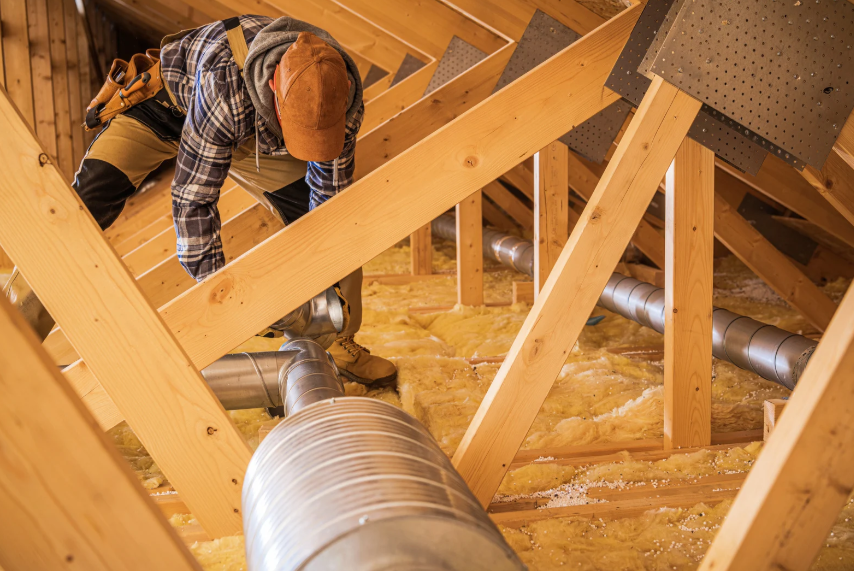
Is your Phoenix home staying hot even with the AC blasting? You might have leaky air ducts quietly wasting your cooling every single day. Here in the Greater Phoenix area, that’s a costly problem, especially during our brutal summers. Penguin Air, Plumbing & Electrical has been helping Phoenix Valley homeowners track down duct leakage and fix it right since 2011. Knowing the signs early can save you serious money on your energy bill.
Suspect leaky air ducts in your home? Schedule online 24/7 and we’ll get to the bottom of it fast.
Key Takeaways
- Leaky air ducts can waste 20 to 30 percent of your cooled air before it ever reaches a room.
- Uneven cooling and unexplained spikes in your energy bill are two of the clearest signs of duct leakage.
- Holes, cracks, and loose duct connections are common in older Phoenix homes, especially in attic ductwork.
- Professional duct sealing restores airflow efficiency and can lower your monthly cooling costs noticeably.
- Ignoring duct leaks puts extra strain on your HVAC system and shortens its lifespan.
Leaky air ducts let conditioned air escape into your attic, crawlspace, or walls before it ever reaches your living areas. The three most common signs include uneven room temperatures, skyrocketing energy bills, and excessive dust buildup throughout your home. In the Phoenix Valley, where summer heat pushes past 110°F, duct leakage turns a manageable utility bill into a real financial drain.
Is one room in your home always stuffy and warm no matter how low you set the thermostat? That is one of the clearest signs of leaking ductwork. Your AC pushes cold air through the ducts, but if there are holes or cracks along the way, that air dumps straight into a 150°F attic instead of cooling your bedroom.
The U.S. Department of Energy estimates the average home loses 20 to 30 percent of conditioned air through duct leakage.
Here in the Greater Phoenix area, your AC runs 12 to 16 hours a day in July and August. A 25 percent air loss does not just mean a warmer house. It means your system works twice as hard for months on end.
Duct problems are also frequently mistaken for AC unit failure. Before you assume the equipment is broken, check out these signs you need AC repair in Phoenix to understand the difference. Sometimes the unit is fine and the ductwork is the real culprit.
Here are the three signs your ductwork is leaking, and what to do about each one.
Sign #1: Certain Rooms Are Always Hotter Than the Rest of the House

Walk through your home on a July afternoon and notice something: the living room feels fine, but the master bedroom is sweltering. Your AC is running. You can hear it. So what gives? In most cases, that temperature gap is one of the clearest signs of leaking ductwork, not a failing AC unit.
Why Uneven Cooling Points to Ductwork Leaks, Not a Failing AC
A consistent 5 to 8 degree difference between a bedroom and your living room is a strong indicator of duct leakage. That gap is too big to blame on thermostat variance alone.
Here is what is actually happening. Your supply ducts carry cooled air from the air handler to each room. If there is a crack, gap, or disconnected section along that run, the cooled air bleeds out into unconditioned space before it ever reaches the register. The room at the end of that run gets little or no airflow.
Return duct leaks are a different problem, and often worse. Return ducts run under negative pressure, pulling air back to the air handler. A gap in a return duct pulls hot attic air directly into the system. That raises the temperature of the air your unit is trying to cool and forces your compressor to work harder just to keep up.
Homeowners almost always blame the AC unit first. That is a natural assumption, but if your system is running and only specific rooms stay warm, ductwork leaks are the more likely suspect. A unit that is truly undersized struggles everywhere. Leaky ducts create hot spots in specific zones tied to specific duct runs. That pattern is the tell.
Our indoor air quality and HVAC diagnostics team can pinpoint exactly where your ductwork is losing air, so you are not left guessing and paying to cool your attic.
Which Rooms in Phoenix Homes Are Most Often Affected
Older single-story homes in areas like Ahwatukee, South Mountain, and Maryvale see this problem constantly. Many were built in the 1980s and 1990s with ductwork routed through attics. In summer, attic temperatures can hit 150 degrees Fahrenheit. Any conditioned air that escapes into that space is gone instantly.
The rooms farthest from the air handler take the worst hit. Think master bedrooms, bonus rooms over garages, and any room at the end of a long duct run. Leakage compounds over distance, so by the time air reaches that far register, there is not much left to deliver.
If your home in Goodyear, Chandler, or Ahwatukee has a room that never cools down no matter how low you set the thermostat, leaky air ducts deserve a hard look before you spend money on anything else.
Sign #2: Your Energy Bills Keep Climbing Even When Usage Stays the Same
Your AC habits haven’t changed. Your household size hasn’t changed. But your SRP or APS bill keeps climbing every summer. That’s a red flag. In the Chandler and Gilbert area, we hear this complaint all the time, and leaky ductwork is one of the most common causes homeowners overlook.
How Duct Leakage Forces Your AC to Run Longer Cycles
Here’s the problem. When conditioned air escapes through cracks or holes in your ductwork before it ever reaches your living spaces, your thermostat never registers enough cooling to shut the system off. So the compressor, blower motor, and every other component just keeps running.
Under normal conditions in Goodyear or Buckeye, an AC system in July and August may already run 12 to 16 hours a day. Duct leakage piles unnecessary hours on top of that. That extra runtime wears components down faster. It can also push you closer to a breakdown right when you need your system most. If you’re already noticing longer cycles, check out these signs your AC may need repair before it breaks down.
The U.S. Department of Energy estimates that typical duct leakage wastes 20 to 30 percent of conditioned air. That wasted air translates directly to wasted kilowatt-hours on your monthly bill. In the Greater Phoenix area, where the cooling season stretches five months or longer, that inefficiency compounds fast.
How to Read Your SRP or APS Bill for Duct-Related Red Flags
Both SRP (Salt River Project) and APS (Arizona Public Service) give you free online account dashboards with detailed usage history. Log in and pull up your kWh usage for this July or August. Then compare it to the same month one year ago.
If you see a spike of 10 to 15 percent or more and nothing else changed, that points to a system efficiency problem. No new appliances, no extra people in the house, no unusual heat event. Duct leakage is a leading cause of exactly this pattern.
July and August bills for average Valley homes regularly run well above $300. When duct losses push your system to run extra hours every single day, that number climbs even higher. Air duct repair in the Avondale or Laveen area can bring those bills back down by giving your AC system back the efficiency it’s supposed to have. Our team offers indoor air quality and duct sealing services to help stop those losses at the source.
Sign #3: Excessive Dust, Dirt, and Debris Coating Every Surface
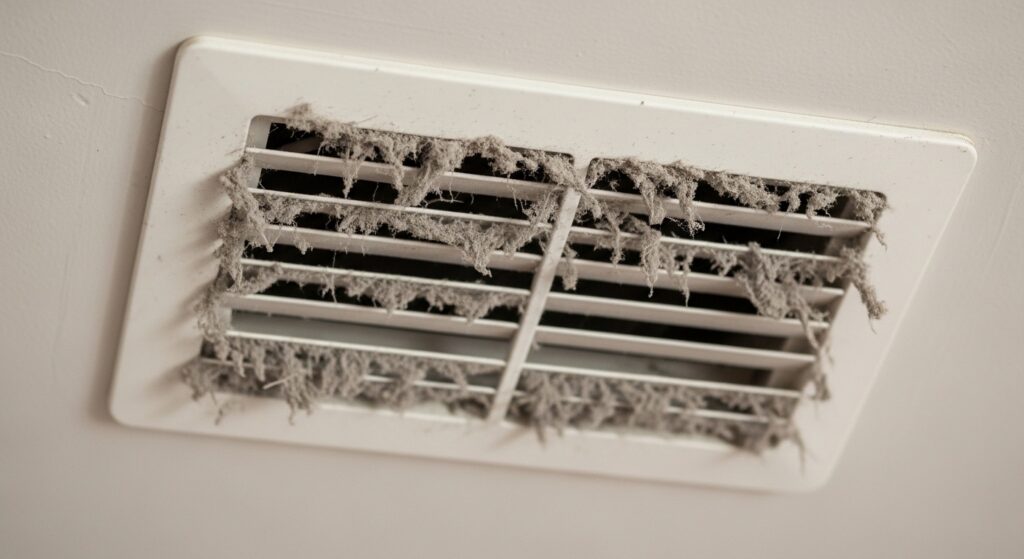
You dust the whole house on Saturday. By Tuesday, there’s a gray film on the furniture again. That’s not bad luck. That’s a strong sign of ductwork leaks in your return system. Leaky air ducts pull contaminants from your attic and push them out through every supply register in your home.
How Return Duct Leaks Pull Attic Dust Into Your Living Spaces
Return ducts operate under negative pressure. They pull air back toward the air handler. If there’s a gap, a disconnected joint, or a crack anywhere in that return ductwork, it doesn’t just let conditioned air out. It actively sucks in whatever surrounds it.
In a typical Chandler or Gilbert home, that means attic air loaded with insulation fibers, fiberglass particles, construction debris, and dust. Your air handler then pushes all of that through your supply registers into the rooms where your family lives.
A quick way to read the signs yourself:
- Gray or brown dust on ceiling fan blades that comes back within days of cleaning
- Dusty film on counters and furniture that no filter change seems to fix
- Allergy or asthma symptoms that are worse indoors than outside
This is a real air quality concern, not just a cleaning inconvenience. Households with allergy or asthma sufferers take the biggest hit.
What Phoenix’s Dust and Monsoon Season Do to Already-Damaged Ductwork
The Greater Phoenix area averages more than 100 dust events per year. Monsoon season runs June through September and brings haboobs that push fine particulates into every small gap in your home’s building envelope. If your ductwork already has small cracks or loose joints, those events drive the contaminant load significantly higher. Preparing your Phoenix home for monsoon season matters more when your duct system has gaps that act like a vacuum during every storm.
Here’s something most generic articles skip entirely. Attic temperatures in Goodyear and Buckeye regularly exceed 150 degrees Fahrenheit in summer. Standard fabric-backed duct tape from the hardware store fails at those temperatures. The adhesive breaks down and the tape peels off. Professional mastic sealant or metal-backed foil tape is the correct repair material for this climate. DIY duct tape fixes in an Arizona attic usually last one summer at best.
If any of these signs sound familiar, your ductwork deserves a closer look before the next billing cycle. Penguin Air, Plumbing & Electrical serves homeowners across the Phoenix Valley with professional duct inspection, mastic sealing, and air duct repair. Schedule online. Our team can usually get eyes on your system quickly so you stop cooling your attic and start cooling your home.
Frequently Asked Questions
How Much Does Duct Sealing Cost in Phoenix?
Professional duct sealing in Phoenix typically ranges from $300 to $1,000 depending on the size of your home, the number of leaks found, and whether mastic sealant or Aeroseal technology is used. Penguin Air, Plumbing & Electrical can provide a detailed estimate after a duct inspection, which often pays for itself through lower SRP or APS bills within one to two cooling seasons.
Can I Seal Leaky Air Ducts Myself with Duct Tape?
Standard duct tape is not designed for HVAC ductwork and degrades quickly in the extreme heat of a Phoenix attic, where temperatures can exceed 150 degrees Fahrenheit in summer. Proper repairs require UL-listed foil tape or mastic sealant applied by a trained technician who can access and pressurize the full duct system to locate every leak.
How Long Does a Professional Duct Sealing Job Take?
Most duct sealing appointments take between two and four hours for a standard single-story Phoenix home. Larger homes or two-story properties with extensive ductwork runs through the attic may require a full day, especially if a blower door test is performed before and after to verify results.
Will Fixing Leaky Air Ducts Also Improve My Indoor Air Quality?
Yes, sealing leaky ducts eliminates the pathways that pull unfiltered attic air, insulation fibers, and outdoor pollutants into your living spaces. Phoenix homeowners with allergy or asthma concerns often notice a measurable improvement in air quality after Penguin Air, Plumbing & Electrical completes a duct sealing service, since the system no longer bypasses your air filter.
How Often Should Ductwork Be Inspected in a Phoenix Home?
Most HVAC professionals recommend a duct inspection every three to five years for Phoenix homes, though homes older than 15 years or those that have undergone renovation work may need inspection sooner. The intense attic heat in the Valley causes duct connections and seals to expand and contract repeatedly, accelerating wear faster than in cooler climates.
Is Duct Leakage Covered by Homeowners Insurance?
Standard homeowners insurance policies typically do not cover gradual duct deterioration, since it is considered maintenance-related wear rather than sudden damage. Coverage may apply if ductwork was damaged by a covered event such as a monsoon storm or pest intrusion, so reviewing your policy with your insurer before scheduling repairs is worth doing.
Can New Ductwork Still Develop Leaks in Phoenix?
Yes, even recently installed ductwork can develop leaks within a few years if connections were not properly sealed during installation or if the attic experiences significant temperature swings. Phoenix’s extreme summer heat puts constant stress on duct joints and flex duct connections, which is why Penguin Air, Plumbing & Electrical recommends verifying the sealing quality on any new installation with a duct pressurization test.
Ready to Get Started with Penguin Air, Plumbing & Electrical?
Ready to book with Penguin Air, Plumbing & Electrical? Contact us today through our contact page to connect with our team directly.