
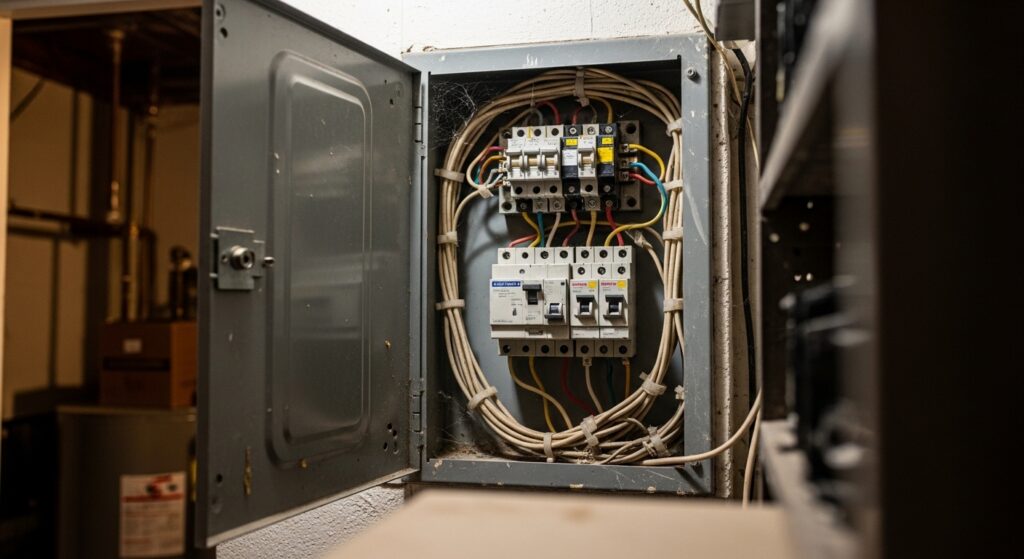
If your Phoenix home was built before 1980, there’s a good chance your electrical panel was never designed to handle today’s A/C loads, let alone EV chargers or modern appliances. Understanding the electrical panel upgrade cost upfront helps you budget without surprises and avoid the safety risks that come with an overloaded or outdated panel. We’ve been serving Greater Phoenix homeowners since 2011, and we handle everything from pulling the permit to coordinating with APS or SRP so you don’t have to.
Ready to find out what a panel upgrade costs for your home? Schedule online today.
Key Takeaways
- Electrical panel upgrade costs in Phoenix typically range between $1,500 and $4,500 depending on amperage and permit fees.
- Older homes in central Phoenix often have 60 to 100-amp panels that can’t safely support modern electrical loads.
- Phoenix requires permits and inspections for all panel replacements, adding to your total project cost and timeline.
- APS and SRP each have different utility coordination steps that can affect your upgrade schedule and overall pricing.
- Phoenix’s extreme summer heat accelerates wear on aging panels, making timely upgrades a safety priority, not just a convenience.
How much does an electrical panel upgrade cost in Phoenix right now? In 2026, most homeowners across the Greater Phoenix area will pay somewhere between $1,500 and $4,500 for a full panel replacement, depending on your home’s size and current setup. That’s a wide range, and the details matter.
Homes in Maryvale, Sunnyslope, and central Phoenix see this need constantly. Postwar-era houses in zip codes like 85015 and 85017 were built with 60 to 100-amp panels that were never meant to power central air conditioning, EV chargers, or a house full of smart devices. Phoenix summers regularly push past 110°F, which means your A/C runs near full load for hours. An undersized panel feels that strain fast.
This article gives you 2026 pricing ranges, the main cost factors, and the warning signs that mean you should not wait. If you want a licensed eye on your panel first, an electrical safety inspection is a smart starting point.
What Does an Electrical Panel Upgrade Cost in Phoenix?
Most homeowners in the Greater Phoenix area pay between $1,500 and $4,500 for an electrical panel upgrade in 2026, depending on amperage, labor, and permit costs. The range is wide because the work varies a lot from home to home. Here is a quick breakdown so you know what to expect before anyone shows up at your door.
- 100A to 200A upgrade: $1,500 to $2,500
- 200A to 400A upgrade: $2,500 to $4,500
- Full panel replacement (recalled brand): $3,000 to $5,000+
These are industry price ranges, not a quote. Your actual electrical panel replacement cost depends on your home’s age, utility coordination with APS or SRP, and whether the City of Chandler, Gilbert, or your local municipality requires separate permit fees.
100-Amp to 200-Amp Upgrade
This is the most common upgrade we see across the Valley. Homes built in the 1960s through the 1980s in areas like Maryvale and Sunnyslope often still have original 100-amp panels. That capacity simply cannot handle a modern central A/C system running hard through a 110-degree summer, plus your refrigerator, washer, and dryer all at once.
A 100-amp to 200-amp upgrade typically runs $1,500 to $2,500, including materials and labor. That covers a new panel, breakers, and the permit your city requires. If your service entrance cables are worn or undersized, add that to the estimate.
200-Amp to 400-Amp Upgrade
Adding an EV charger, a new HVAC system, or a home addition? Then 200 amps may not be enough. A 200-amp to 400-amp upgrade runs $2,500 to $4,500 and often requires utility coordination with APS or SRP to upgrade the meter and service entrance. Plan for that step to add time to the project.
If you need general electrical repair work done alongside the upgrade, it makes sense to bundle it into the same visit and save on labor.
Full Panel Replacement vs. Panel Upgrade
A panel upgrade swaps out breakers and adds capacity. A full replacement is a different job entirely, and it is required when your existing panel is a recalled brand. Federal Pacific Stab-Lok and Zinsco panels show up regularly in older Chandler and Goodyear homes, and both are serious fire hazards.
Full replacement on a recalled panel runs $3,000 to $5,000 or more depending on amperage and service entrance work. This is not a job to put off. If you are not sure what brand you have, that is exactly what an electrical safety inspection is for.
What Factors Change the Price of a Panel Upgrade?
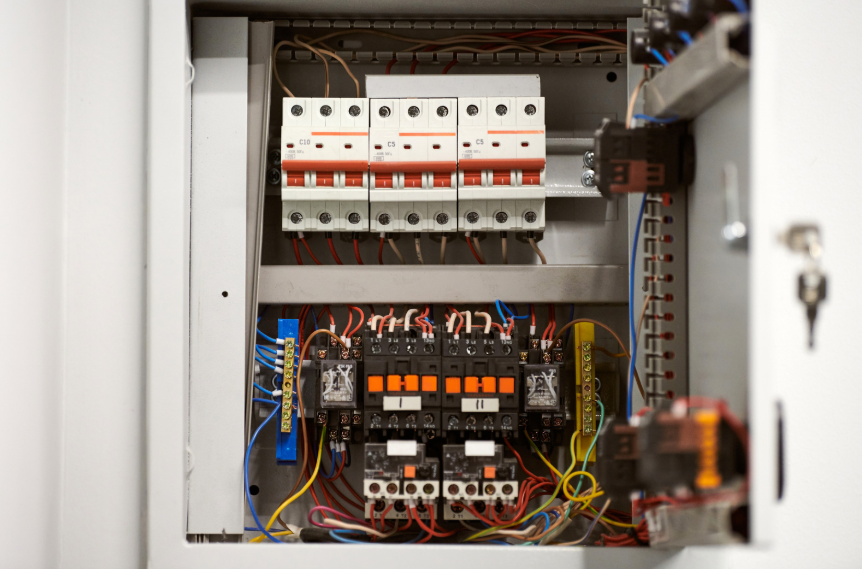
The price gap between quotes you see online comes down to a handful of real variables. No two homes are identical, and in the Greater Phoenix area, local conditions add costs that national pricing guides never mention. Here is what to look at before you compare estimates.
Amperage and Utility Coordination (APS vs. SRP)
Amperage is the single biggest cost lever in any panel upgrade. Upgrading from a 100-amp panel to a 200-amp panel is straightforward. Jumping to 400 amps is a different project entirely and may require a second meter base depending on your utility provider.
Greater Phoenix is split between two utility providers: APS (Arizona Public Service) and SRP (Salt River Project). Each one has different meter types, disconnect requirements, and coordination processes for service upgrades. An electrician must know which utility serves your address before pulling the permit. That utility coordination alone can add $200 to $600 in fees and scheduling time to your project total.
City of Phoenix Permits and Inspections
Yes, you do need a permit for a panel replacement. The City of Phoenix requires one for any panel work, full stop. Permit fees typically run $100 to $300 and trigger a city inspection that adds one to three days to the timeline.
If you live in Chandler, Gilbert, Scottsdale, or another Maricopa County municipality, the fee schedules are separate and vary by city. We handle the permit process for you so nothing gets missed and your work passes inspection the first time.
Service Entrance Cable Condition
Phoenix summers regularly push past 110°F. That extreme heat degrades service entrance cables faster than nearly any other climate in the country. If your cable is undersized or heat-damaged, replacement adds $500 to $1,500 to the project. Homes built in the late 1960s and early 1970s in areas like Goodyear and Avondale may also have aluminum wiring that requires additional remediation.
Emergency vs. Scheduled Appointments
Same-day or emergency panel work carries a 15 to 25 percent premium over a scheduled appointment. If your panel is failing during peak summer load, that premium is worth it. A better approach: schedule a proactive whole-home electrical safety inspection before problems force your hand, and you avoid emergency pricing altogether.
Warning Signs Your Phoenix Home Needs a Panel Upgrade Now
Your panel is talking to you. Most homeowners just don’t know how to read the signs. Here’s what to watch for so you can judge your own urgency before calling anyone.
Breakers Tripping During Summer Heat
Breakers that trip on a hot afternoon aren’t a coincidence. When temperatures climb past 110°F, your A/C runs near maximum amperage for hours at a stretch. An undersized or aging panel can’t keep up. If your breaker box trips repeatedly on the hottest part of the day, or lights dim every time the A/C kicks on, that’s your panel telling you it’s maxed out.
That pattern isn’t normal. It’s a load problem, and it won’t fix itself.
Outdated Panel Brands That Inspectors Flag
If you’re buying a home built in the 1960s or 1970s in Glendale, Avondale, or older parts of the Valley, check the panel brand before you close. Federal Pacific Stab-Lok and Zinsco panels are both flagged by inspectors for fire risk. Their breakers can fail to trip during an overload, which means no protection when you need it most.
If you see either of those brand names on your panel, or any brand you don’t recognize, schedule an electrical safety inspection right away. Don’t wait for a symptom.
Adding an EV Charger or New HVAC System
A Level 2 EV charger needs a dedicated 50 to 60 amp circuit. A new central A/C or heat pump typically needs 30 to 60 amps on its own circuit. If your current panel is already near capacity, adding either one without a panel assessment first is a real problem.
EV adoption across the Goodyear, Buckeye, and Scottsdale areas is growing fast. A panel upgrade is the logical first step before any major electrical addition.
Seeing any of these signs at your home? Schedule online and we’ll send a licensed electrician to assess your panel fast.
How the Panel Upgrade Process Works, Step by Step
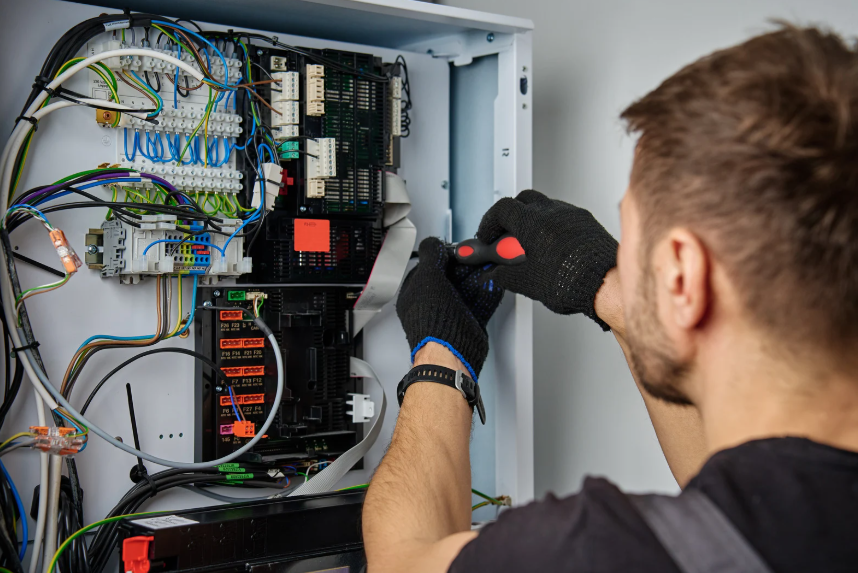
Most homeowners worry about being without power for days. Here’s the honest answer: you’ll typically be without power for 4-8 hours on installation day. The full project, from permit to passing inspection, usually wraps in 3-7 business days.
Step 1: Load Assessment and Permit Application
Our licensed electrician calculates your total household electrical load first. That determines whether a 100-amp, 150-amp, or 200-amp panel fits your needs. From there, we submit the permit application to your local municipality on your behalf. You don’t touch the permit office. Approval in the Goodyear and Avondale areas typically runs 1-3 business days.
Step 2: Utility Disconnect Coordination
Before any work starts, your utility provider disconnects power at the meter. Whether your home is on APS or SRP, this step is standard, not a complication. Plan for that 4-8 hour window and make arrangements for your day. We coordinate the scheduling so you’re not making calls.
Step 3: Installation and Circuit Labeling
The old panel comes out. New breakers, bus bars, and the main disconnect go in. Every circuit gets clearly labeled before we’re done. That labeling matters during monsoon season, June through September, when electrical repair calls spike after voltage surges hit aging panels across the Valley.
Step 4: City Inspection and Power Restoration
A municipal inspector verifies the installation meets NEC code and any local amendments. After approval, the utility restores power. We also recommend scheduling an electrical safety inspection at this stage to confirm every circuit in your home is operating correctly. Your home electrical panel pricing guide won’t cover everything, but this step protects your investment long term.
Panel Upgrades and Phoenix’s Electrical Reality: Heat, Growth, and Demand
The Phoenix Metro Area is one of the fastest-growing regions in the country, and that growth puts real pressure on older homes. Zip codes 85015, 85017, and 85031 are packed with postwar-era houses originally wired for 60 to 100 amps. Those panels were never designed to handle a 5-ton central A/C, a tankless water heater, and an EV charger running at the same time.
Summer heat above 110°F pushes A/C systems to run near max load for hours straight. That constant draw wears down service entrance cables and stresses breakers faster than anywhere most electricians will ever work. Then monsoon season arrives from June through September, bringing voltage spikes that can quietly damage an aging panel over time. A panel upgrade is a smart time to add whole-home surge protection, which guards your appliances from those seasonal spikes before they cause real damage.
APS or SRP: It Actually Matters for Your Upgrade
Before we pull a permit, we confirm which utility serves your address. If you are in SRP territory, roughly east of I-17 and south of the 101, the meter coordination process is different from APS territory. Getting that wrong delays your job. We check utility jurisdiction upfront so your project stays on schedule.
We have been doing this work across the greater Phoenix Valley since 2011, serving homeowners from our office at 3710 East University Dr Suite 1, Phoenix, AZ 85034. Our technicians are background-checked, our pricing is flat-rate, and our work is backed by our BBB A+ rating.
Frequently Asked Questions
How much does an electrical panel upgrade cost in Phoenix in 2026?
Most homeowners in the Greater Phoenix area pay between $1,500 and $4,500 for a 100-to-200-amp upgrade. Replacing a recalled Federal Pacific or Zinsco panel, or stepping up to 400-amp service, can push the 200-amp panel upgrade cost past $5,000. Every house is different, so an in-home estimate gives you the only accurate number.
How long does a panel upgrade take from start to finish?
Physical installation runs 4 to 8 hours. The full timeline from permit approval to passing inspection is typically 3 to 7 business days. APS and SRP utility coordination is often the longest variable in that window.
Do I need a permit for a panel upgrade in Phoenix?
Yes. A permit is required before any work starts. If your electrician skips it, that can void your homeowner’s insurance and create problems during a home sale. We handle the permit process and city inspection for you. Getting a licensed electrical safety inspection first confirms exactly what your home needs.
Can I stay home during the panel upgrade?
Yes, but plan for 4 to 8 hours without power. Charge your devices the night before, unlock your garage door’s manual release, and keep a cooler ready for temperature-sensitive medications. In a Valley summer, that prep matters.
What is the difference between a panel upgrade and a full panel replacement?
An upgrade increases amperage capacity. A replacement swaps the entire box and all breakers, which is required when hardware is damaged, recalled, or not code-compliant. A load assessment during your estimate determines which one you actually need.
Is a 200-amp panel enough for an EV charger and central A/C?
For most homes under 2,500 square feet, yes. Homes with a pool, two EVs, or oversized HVAC may need 400-amp service. A load calculation during your estimate gives a definitive answer.
If your home was built before 1990 or breakers are tripping on summer afternoons, your panel may already be working harder than it should. Schedule a panel assessment with Penguin Air, Plumbing & Electrical online. Our licensed electricians cover permits, utility coordination with APS and SRP, and the city inspection from start to finish. Flat-rate pricing means you get a clear number before we start.
Ready to Get Started with Penguin Air, Plumbing & Electrical?
Ready to book with Penguin Air, Plumbing & Electrical? Contact us today through our contact page to connect with our team directly.