
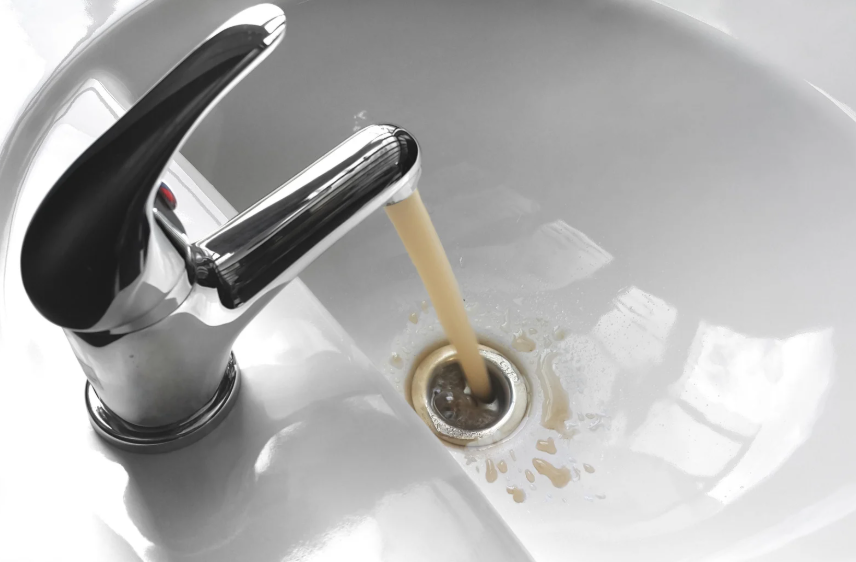
Turning on a faucet and watching brown, cloudy, or discolored water come out is alarming. Whether you’re in Phoenix, Mesa, Scottsdale, or anywhere in the greater Phoenix Metro area, dirty tap water is never something to ignore. In some cases, the cause is temporary and harmless. In others, it signals a real problem with your home’s plumbing that needs immediate attention.
At Penguin Air, Plumbing & Electrical, we help Phoenix Metro homeowners identify the source of water quality issues and resolve them safely. Here’s what different types of dirty water can indicate and when you need to call a professional.
What Causes Dirty Water in Phoenix Metro Homes?
Discolored or contaminated water can enter your home’s supply from several sources. Understanding the origin helps determine how serious the issue is and what needs to be done. Common causes include:
- Sediment from aging pipes: Older galvanized steel pipes corrode from the inside over time, releasing rust and metal particles into the water. As the pipe walls degrade, you may notice brown or reddish water, especially first thing in the morning when water has been sitting in the pipes overnight.
- Water heater corrosion: The anode rod inside your water heater is designed to corrode sacrificially, protecting the tank. When the rod is depleted and the tank begins to rust, you may notice brown or metallic-tasting hot water only, a clear sign the water heater is failing.
- Municipal supply disturbances: Nearby construction, fire hydrant testing, or water main work can temporarily stir up sediment in the city’s supply lines. This kind of discoloration usually resolves on its own within a few hours.
- Monsoon season runoff: Intense summer storms in the Phoenix area can overwhelm surface water treatment infrastructure, temporarily affecting water quality in some neighborhoods. The Arizona Department of Environmental Quality monitors these events, but discoloration can still occur.
- Construction activity nearby: Ground disturbance close to your home’s water service line can introduce sediment or crack underground pipes, allowing soil to enter the supply.
What Does the Color of Your Water Indicate?
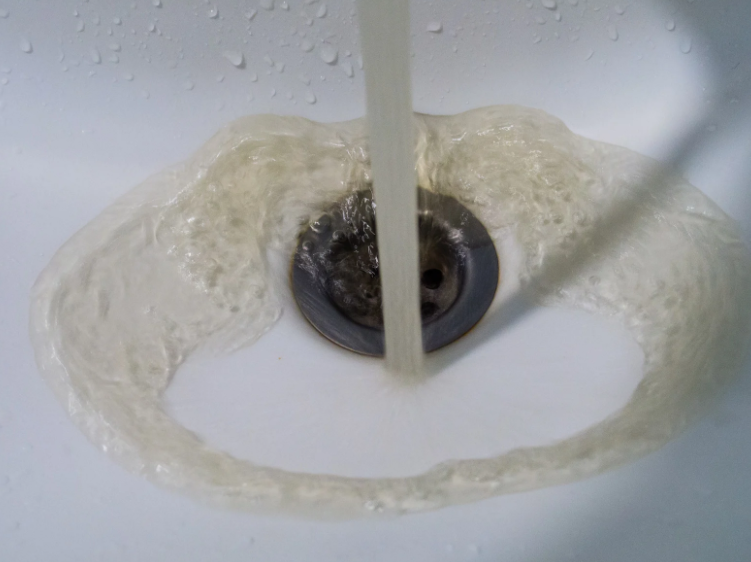
The color of dirty water can help pinpoint the source of the problem before a plumber even arrives:
- Brown or orange water: Almost always indicates rust. The source could be your home’s pipes, a corroding water heater, or a disturbance in the municipal main. If only the hot water is brown, the water heater is the likely culprit.
- Yellow water: Can indicate old galvanized pipes or a disturbance in the municipal supply, similar to brown water. In some cases, it reflects elevated iron or manganese in the source water.
- Cloudy or milky white water: Often caused by dissolved air in the water supply, harmless and will clear on its own when left to sit. However, persistent cloudiness that doesn’t clear can indicate contamination and should be tested.
- Black or dark gray water: Can indicate the presence of mold, manganese, or decaying pipe material. Black water is a serious concern and requires professional evaluation immediately.
Is Dirty Water Dangerous to Your Health?
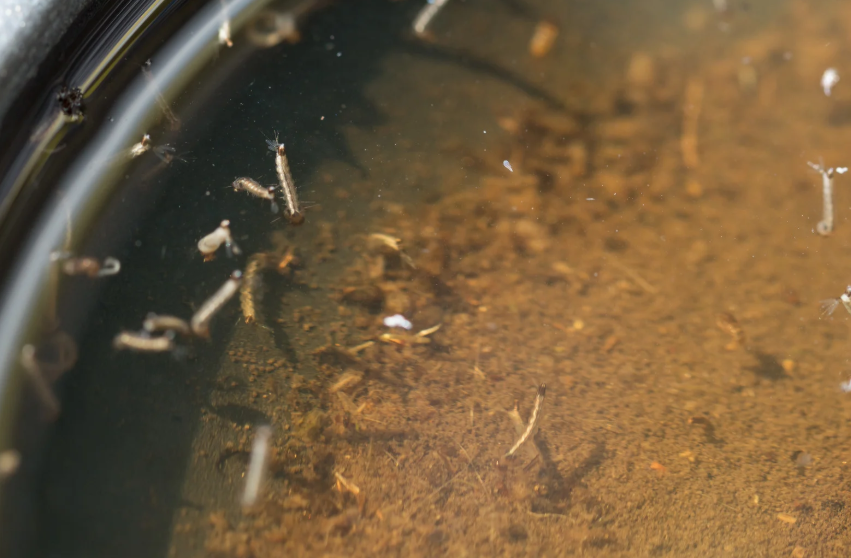
Whether dirty water poses a health risk depends entirely on what’s causing it. Temporary discoloration from a municipal main flush or air in the lines is generally harmless. But other sources carry real risks:
Rust and heavy metals, including lead from older lead solder or lead service lines, can be harmful if consumed over time. Lead is particularly dangerous for children and pregnant women. If your home was built before 1986, it may have plumbing with lead components, and any discoloration should be taken seriously.
Bacterial contamination, from a damaged water line, flooding, or a compromised well, can cause serious illness. If you notice a foul smell accompanying the discoloration, or if multiple people in your household develop gastrointestinal symptoms after a water quality change, stop using the water for drinking or cooking immediately and contact your local water utility or a licensed plumber.
Sediment and rust, while unpleasant, are generally not a major health risk in small quantities, but they are a sign of deteriorating plumbing that will get worse over time and can damage appliances, clog aerators, and reduce water pressure throughout your home.
When to Call a Plumber
Some water discoloration resolves on its own. But you should call a licensed plumber if:
- The discoloration persists for more than 24 hours after running cold water from multiple faucets
- Only your hot water is affected, pointing to the water heater
- You notice a foul or sulfur smell along with discoloration
- Water pressure has dropped significantly at the same time as the discoloration appeared
- You live in an older home with galvanized or unknown pipe materials
- You see water staining around pipe joints, under sinks, or at the water meter
How to Protect Your Home’s Water Quality
Taking a proactive approach to your plumbing can prevent water quality issues before they start. Phoenix Metro homeowners should consider:
Installing a whole-home water softener: The Phoenix area is known for its hard water, which accelerates pipe and appliance corrosion. A water softener removes excess calcium and magnesium, protecting your pipes, water heater, and fixtures from premature scaling and deterioration.
Flushing your water heater annually: Sediment accumulates at the bottom of the water heater tank over time, accelerating corrosion and reducing efficiency. Flushing the tank once a year removes sediment and extends the life of the unit.
Scheduling a repiping assessment: If your home has older galvanized or polybutylene pipes, a professional inspection can determine whether repiping is the right long-term solution for consistent water quality.
If you’re concerned about the water quality in your Phoenix Metro home, the team at Penguin Air, Plumbing & Electrical can help you identify the source and recommend the right solution. Call (480) 525-5400 to schedule a plumbing inspection today.
Frequently Asked Questions
Why is my tap water brown in Phoenix?
Brown tap water in Phoenix is most commonly caused by rust from aging galvanized pipes inside your home, a deteriorating water heater tank, or a temporary disturbance in the municipal water main. Run cold water from the tap for several minutes. If the discoloration clears, the cause is likely a temporary municipal issue. If it persists, contact a licensed plumber to inspect your pipes and water heater.
Is it safe to shower in discolored water?
For most types of water discoloration caused by rust or sediment, brief skin contact is unlikely to cause harm. However, if the discoloration is severe, has a foul odor, or you suspect bacterial contamination, avoid all contact and stop using the water until the cause has been identified.
Can dirty water damage my appliances?
Yes. Sediment and rust particles can clog aerators on faucets, damage dishwasher pumps, wear out washing machine valves, and accelerate corrosion inside your water heater. If your home has a recurring dirty water issue, addressing the underlying plumbing problem will protect your appliances and extend their service life.
Should I get my water tested in Phoenix?
If you have ongoing water quality concerns, a water quality test can identify exactly what’s in your water supply. The City of Phoenix publishes an annual water quality report, but that report reflects the water as it leaves the treatment plant, not necessarily what comes out of your tap, which can be affected by your home’s internal plumbing.
About Penguin Air, Plumbing & Electrical
Penguin Air, Plumbing & Electrical has been serving Greater Phoenix homeowners with trusted HVAC, plumbing, and electrical services since 2011. Founded by Wade Rusk and William Hallett, Penguin is locally owned and operated, available 24 hours a day, seven days a week. Our licensed, background-checked technicians serve Phoenix, Mesa, Scottsdale, Chandler, Gilbert, Tempe, Glendale, and communities throughout the Phoenix Valley.
Call Penguin Air at (480) 525-5400 to schedule service today.