
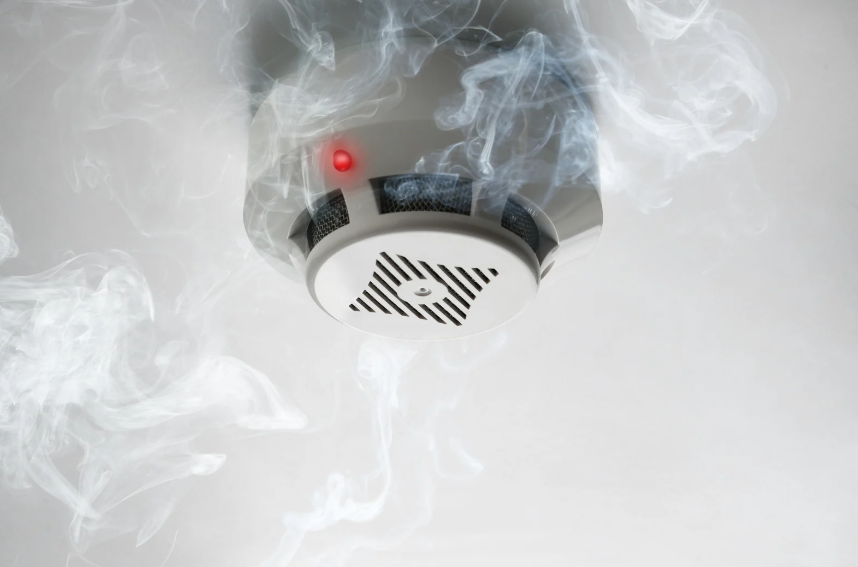
A smoke detector that won’t stop beeping, whether it’s a full alarm or an intermittent chirp, is impossible to ignore, and that’s by design. Smoke detectors are engineered to make noise when they need attention, because the alternative is a silent device that fails at the moment it’s needed most.
At Penguin Air, Plumbing & Electrical, our licensed electricians help Phoenix homeowners resolve smoke detector issues safely. Here’s a complete guide to what different beeping patterns mean and exactly what to do about each one.
The Difference Between an Alarm and a Chirp
The most important distinction with smoke detector sounds is whether you’re hearing a full alarm or a chirping sound:
- Full alarm (continuous or rapid beeping): This is the emergency warning. It means the detector has sensed smoke or carbon monoxide. Evacuate immediately, call 911, and do not re-enter until emergency responders have cleared the home.
- Chirping (single beep every 30-60 seconds): This is a trouble alert. It means the detector needs attention, typically a low battery, a unit that’s reached its end of life, or a wiring fault. It’s not an emergency, but it shouldn’t be ignored or silenced permanently.
Cause 1: Low or Dead Battery
By far the most common reason a smoke detector chirps is a low battery. Most detectors are designed to chirp once every 30-60 seconds when battery power drops below an acceptable level. This continues until the battery is replaced or completely dead.
To fix it, replace the battery with a fresh one of the same type (typically 9-volt or AA, depending on your detector model). After replacing the battery, press the test button to confirm the unit is working correctly. If the chirping continues after a fresh battery is installed, the issue is likely something else, see below.
A tip for Phoenix homeowners: Arizona’s intense summer heat can drain batteries faster than in cooler climates. Testing your smoke detectors monthly and replacing batteries annually (or when the low-battery chirp begins) keeps them reliable year-round.
Cause 2: End of Life
Smoke detectors don’t last forever. The National Fire Protection Association recommends replacing smoke detectors every 10 years. The sensing chamber inside degrades over time, reducing sensitivity and reliability. Many modern detectors have a built-in end-of-life indicator that causes them to chirp repeatedly when the unit has reached the end of its service life, even with a fresh battery installed.
Check the date stamped on the back of your detector. If it’s more than 10 years old, replace it regardless of whether it appears to be working. An aging detector may not respond quickly enough, or at all, in an actual emergency.
Cause 3: Wiring Issues (Hardwired Detectors)
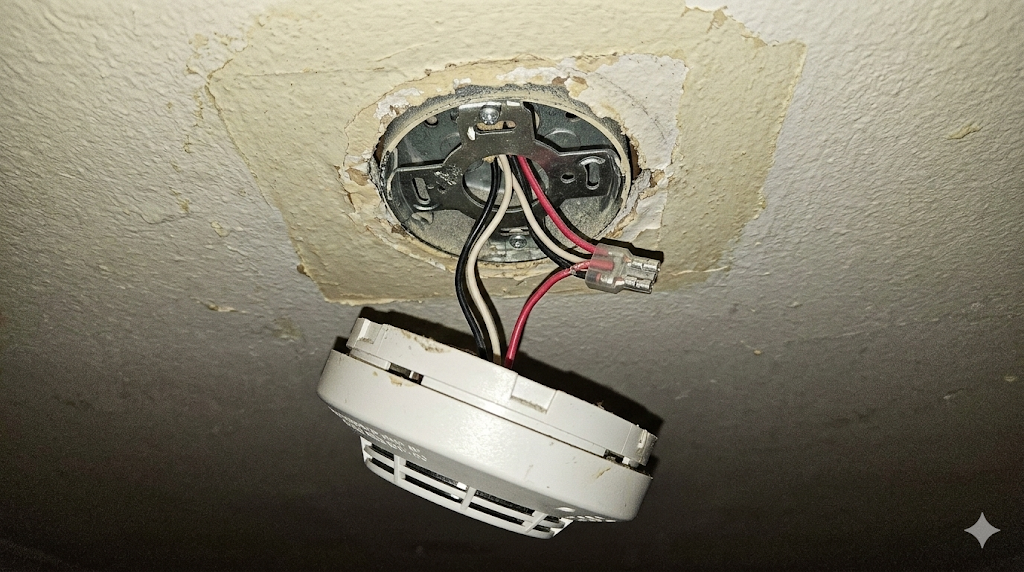
Hardwired smoke detectors connect directly to your home’s electrical system and typically have a battery backup. If a hardwired detector is chirping and a new battery doesn’t stop it, the issue may be with the wiring, a loose connection, a faulty power supply to the unit, or a problem with the interconnect wiring that links multiple detectors together. Our electrical repair team can diagnose and resolve wiring issues safely.
Cause 4: Dust or Debris in the Sensing Chamber
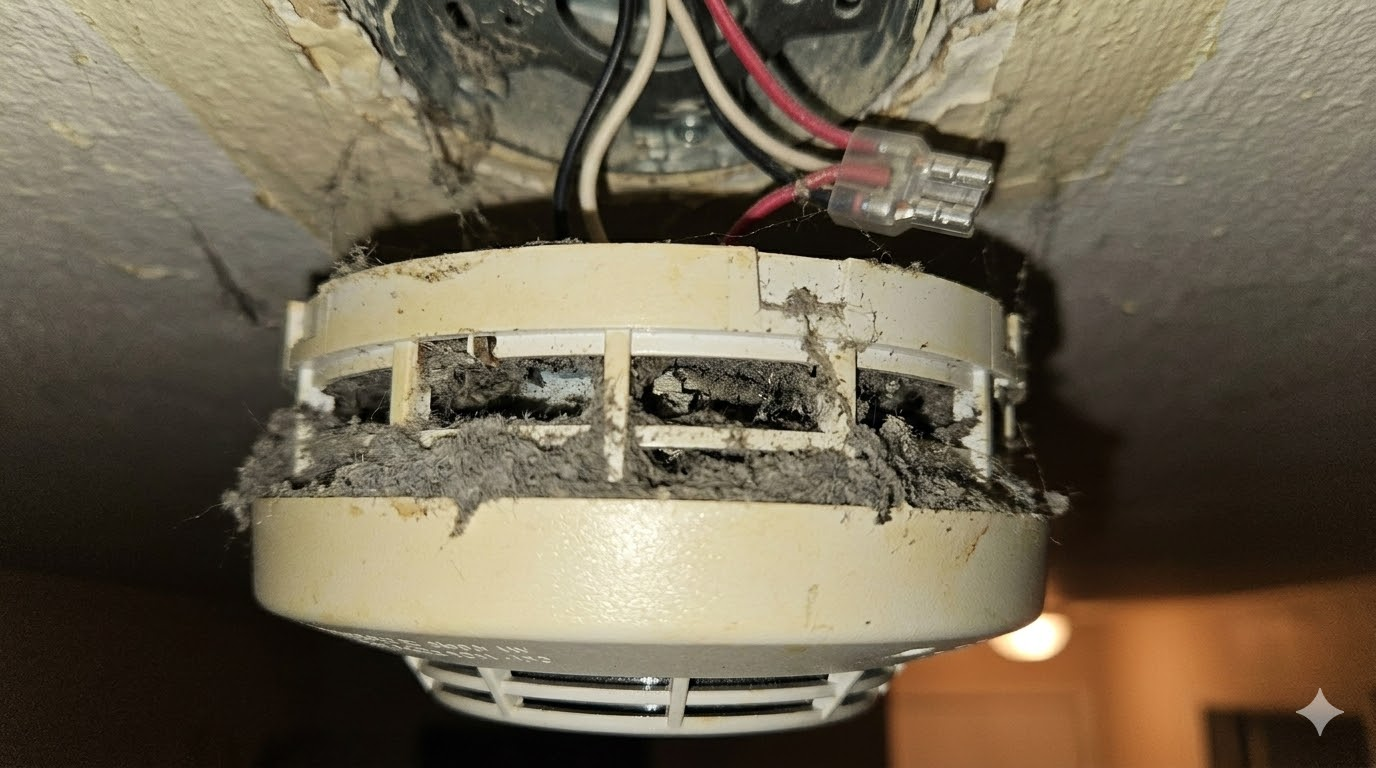
Dust, insects, and cooking grease can accumulate inside a smoke detector’s sensing chamber over time, causing it to trigger false alarms or chirp intermittently. Vacuum around the detector vents with a soft brush attachment and test the unit. If cleaning doesn’t resolve false alarms, replacement is the safer choice, a detector that has been compromised by contamination may not respond reliably.
Cause 5: Temperature or Humidity Extremes
Smoke detectors installed too close to a bathroom, kitchen, or in a garage that gets extremely hot in summer can be triggered by steam, cooking smoke, or high temperatures. This typically causes false alarms rather than chirping. Relocating the detector or installing a heat detector in the garage instead of a smoke detector can resolve this.
When to Call an Electrician
You should contact a licensed electrician for smoke detector issues when:
- Chirping continues after replacing the battery and the detector is less than 10 years old
- A hardwired detector keeps alarming or chirping with no apparent cause
- You need to replace multiple units throughout your home and want them properly interconnected
- The detector shows signs of damage or discoloration
- You’re unsure whether your detectors are properly placed per current code requirements
Call Penguin Air, Plumbing & Electrical at (480) 525-5400 to schedule a smoke detector inspection or replacement. Our licensed electricians serve Phoenix, Scottsdale, Mesa, Chandler, Gilbert, Tempe, and communities throughout the Phoenix Valley.
Frequently Asked Questions
Why does my smoke detector beep in the middle of the night?
Middle-of-the-night chirping is usually caused by a low battery. Battery voltage can drop in cooler overnight temperatures, triggering the low-battery warning. In the Phoenix area, swings between daytime heat and cooler nights can cause batteries to perform differently at night. Replace the battery, this almost always resolves nighttime chirping.
How do I stop a smoke detector from chirping without replacing the battery?
You can temporarily silence most detectors by pressing the test/silence button. However, this only suppresses the chirp for a few minutes before it resumes. The only permanent fix is to address the underlying cause, replacing the battery, replacing an end-of-life unit, or having the wiring inspected.
How many smoke detectors does my Phoenix home need?
Per the NFPA and Arizona residential code, smoke detectors should be installed inside every bedroom, outside each sleeping area, and on every level of the home, including the basement. A licensed electrician can assess your home’s coverage and ensure your detectors meet current code requirements.
What’s the difference between a smoke detector and a carbon monoxide detector?
Smoke detectors sense combustion particles in the air. Carbon monoxide detectors sense the presence of carbon monoxide gas, which is colorless and odorless. Combination smoke/CO detectors provide both functions in a single unit. Homes with gas appliances, attached garages, or fuel-burning heating systems should have carbon monoxide protection in addition to smoke detection.
About Penguin Air, Plumbing & Electrical
Penguin Air, Plumbing & Electrical has been serving Greater Phoenix homeowners with trusted HVAC, plumbing, and electrical services since 2011. Founded by Wade Rusk and William Hallett, Penguin is locally owned and operated, available 24 hours a day, seven days a week. Our licensed, background-checked technicians serve Phoenix, Mesa, Scottsdale, Chandler, Gilbert, Tempe, Glendale, and communities throughout the Phoenix Valley.
Call Penguin Air at (480) 525-5400 to schedule service today.