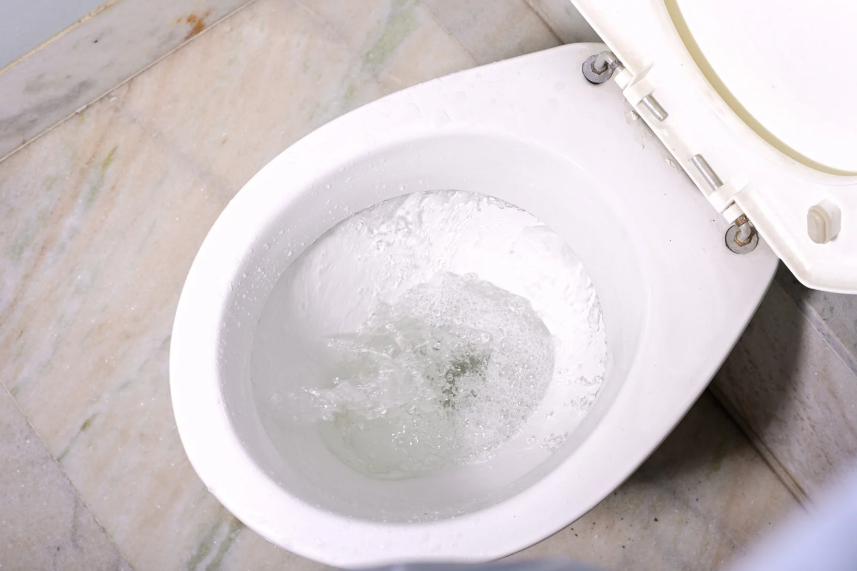
A toilet that always looks half-empty, flushes weakly, or struggles to clear waste can be a sign of a real plumbing problem. Low water levels in the toilet bowl are more than an inconvenience; they can point to issues with your tank components, your drain line, or even your home’s vent stack.
At Penguin Air, Plumbing & Electrical, we help Phoenix, AZ homeowners diagnose and fix toilet problems every day. Here are the six most common reasons the water level in your toilet bowl is low, and what you can do about each one.
1. The Float Valve Is Set Too Low
Inside every toilet tank sits a float, a buoyant ball or cup that rises with the water level and signals the fill valve to shut off once the tank is full. If the float is set too low, the fill valve cuts off too early and the tank never reaches a full charge. A partially filled tank means a weaker flush, which leaves less water sitting in the bowl afterward.
Adjusting the float is typically a simple DIY fix. On newer toilets, you can pinch a clip on the fill valve and slide the float assembly up. On older ball-float models, you bend the rod slightly upward. If adjusting the float doesn’t hold or the fill valve keeps malfunctioning, replacement parts are inexpensive and widely available at hardware stores throughout the Phoenix, AZ area.
2. A Cracked Toilet Bowl
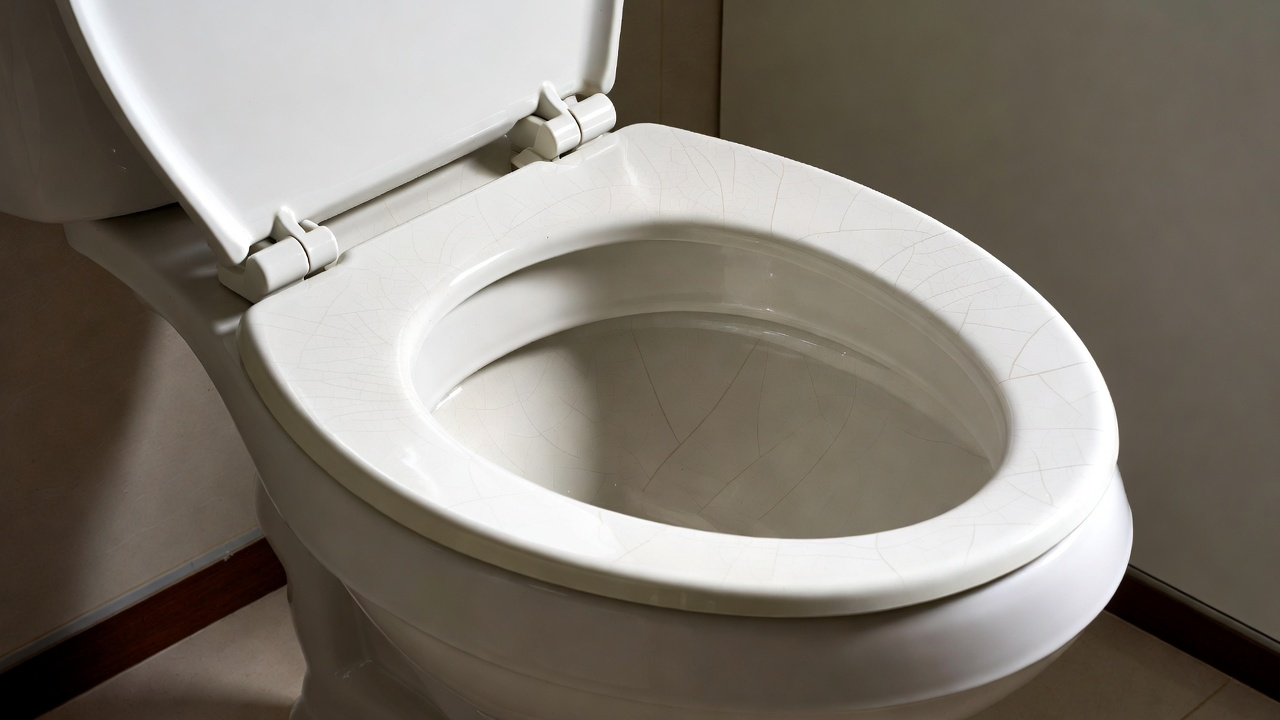
Hairline cracks in a porcelain toilet bowl can be surprisingly hard to spot. They may form near the base, along the sides, or just below the waterline, allowing water to slowly seep out. If the water level in your bowl drops on its own between flushes, not just after flushing, a crack is one of the first things to investigate.
A licensed plumber can remove the old toilet and install a new unit with minimal disruption to your bathroom.
3. A Worn or Damaged Flapper
The flapper is the rubber seal that sits at the bottom of the tank and covers the opening to the bowl. When you flush, the flapper lifts to let water rush through. When the flush cycle ends, it settles back down to form a watertight seal. If the flapper is warped, worn, or coated with mineral buildup, common in the Phoenix area’s hard water environment, it may not seal completely, allowing water to slowly leak from the tank into the bowl and drain away.
To check for a leaky flapper, add a few drops of food coloring to the tank and wait 15 minutes without flushing. If color appears in the bowl, your flapper is leaking. Flappers are inexpensive and easy to replace, this is one of the most common toilet repairs homeowners in the Phoenix, AZ area handle themselves. However, if your flapper is less than a year old and already failing, you may have a deeper water quality issue causing accelerated wear.
4. A Blocked or Restricted Vent Pipe
Your home’s plumbing relies on a network of vent pipes that run up through the walls and out through the roof. These vents allow air to enter the drain system, which prevents negative pressure, or siphoning, from pulling water out of your fixture traps. When a vent pipe becomes blocked by debris, leaves, or a bird’s nest, that siphoning effect can pull water directly out of the toilet bowl after every flush.
Vent blockages are especially common in the Phoenix, AZ area during monsoon season, when wind and rain push debris onto rooftops. If your toilet makes a gurgling sound after it flushes, or if draining in one fixture seems to affect water levels in another, a blocked vent is a likely culprit. Clearing a roof vent typically requires access to your roof and specialized equipment, contact a licensed plumber to handle this safely.
5. A Partial Drain Clog
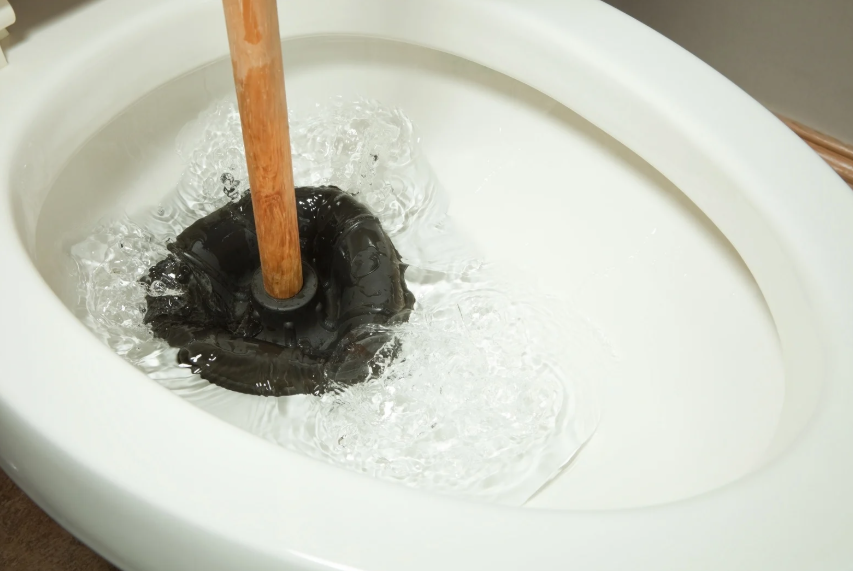
A slow or partial clog in the toilet’s trapway or drain line can create back-pressure that interferes with the bowl’s normal water level. The toilet may appear to flush, but water drains sluggishly and the bowl ends up holding less water than it should. If you notice slow draining, occasional gurgling, or water rising higher than normal before draining, a clog is likely developing. Our drain clearing service can remove the obstruction before it becomes a full blockage.
Partial clogs are often caused by accumulated waste, paper products, or foreign objects caught in the trap. A plunger may dislodge minor obstructions, but persistent slow draining usually requires a professional drain snake or hydro-jetting to clear completely. Ignoring a partial clog often leads to a full blockage, which is both messier and more expensive to address.
6. Fill Valve Malfunction
The fill valve (also called a ballcock on older toilets) is the mechanism that refills the tank after each flush. Over time, fill valves wear out, seals crack, debris clogs the inlet, and mineral scale builds up on the internal components. A failing fill valve may not refill the tank to the correct level, leaving you with less water for each flush and a low water level in the bowl.
Installing a water softener can extend the life of your toilet’s internal components as well as your dishwasher, water heater, and other plumbing fixtures throughout your home.
If you’re dealing with a low toilet water level in your Phoenix, AZ home and the cause isn’t clear, the team at Penguin Air, Plumbing & Electrical is ready to help. Call us at (480) 525-5400 and we’ll send a licensed plumber to diagnose the problem and get your toilet working correctly.
Frequently Asked Questions
Why is the water level in my toilet bowl low after flushing?
Low water after flushing is usually caused by a blocked vent pipe creating a siphon effect, a worn flapper not sealing the tank properly, or a fill valve that isn’t fully refilling the tank. If the water level stays low between flushes, not just right after, you may have a crack in the bowl or a partial drain clog.
Is a low toilet water level a sign of a serious plumbing problem?
It depends on the cause. A worn flapper or misadjusted float is a minor fix. A cracked bowl, blocked vent pipe, or persistent drain clog can be more serious and should be addressed by a licensed plumber before the problem worsens.
Can hard water in the Phoenix, AZ area cause toilet problems?
Yes. Phoenix, AZ’s water supply is high in calcium and magnesium, which leave mineral deposits on flappers, fill valves, and jets inside the bowl. These deposits cause components to wear faster and can reduce flushing power over time. A whole-home water softener can significantly reduce mineral buildup throughout your plumbing system.
How much does it cost to fix a low toilet water level in Phoenix?
Repair costs vary depending on the cause and extent of the work — simple fixes like a flapper or fill valve are generally more affordable, while clearing a vent blockage, snaking a drain line, or replacing a cracked toilet will cost more. Contact Penguin Air, Plumbing & Electrical for an upfront estimate.
Can I fix a low toilet water level myself?
Some causes, like adjusting the float or replacing the flapper, are manageable DIY tasks if you’re comfortable with basic plumbing. Others, like clearing a blocked roof vent or diagnosing a cracked bowl, are best left to a licensed plumber. When in doubt, a professional inspection is the safest way to avoid making the problem worse.
About Penguin Air, Plumbing & Electrical
Penguin Air, Plumbing & Electrical has been serving Greater Phoenix homeowners with trusted HVAC, plumbing, and electrical services since 2011. Founded by Wade Rusk and William Hallett, Penguin is locally owned and operated, available 24 hours a day, seven days a week. Our licensed, background-checked technicians serve Phoenix, Mesa, Scottsdale, Chandler, Gilbert, Tempe, Glendale, and communities throughout the Phoenix Valley.
Call Penguin Air at (480) 525-5400 to schedule service today.